The Philippine Statistics Authority (PSA) reported on Tuesday, May 5, 2026, that inflation in the Philippines sharply accelerated to 7.2 percent in April 2026, up from 4.1 percent in March. This marks the country's fastest price growth since March 2023.
Inflation Trends and Comparisons
The year-to-date average inflation from January to April 2026 stands at 3.9 percent, significantly higher than the 1.4 percent recorded in the same period in 2025. National Statistician Undersecretary Claire Dennis Mapa noted that the 3.1 percent inflation increase from March to April 2026 is the highest since December 1993 to January 1994, when the month-on-month absolute increase was 5.4 percent.
Key Drivers of Inflation
The PSA identified the primary driver as the faster increase in food and non-alcoholic beverages, which rose to 6.0 percent from 2.9 percent in March. This category alone accounted for 31.9 percent of overall inflation, contributing 2.3 percentage points. Transport costs surged to 21.4 percent from 9.9 percent, while housing, water, electricity, gas, and other fuels accelerated to 8.2 percent from 4.7 percent. Together, these three sectors contributed over 80 percent of the inflation rate.

Food Price Increases
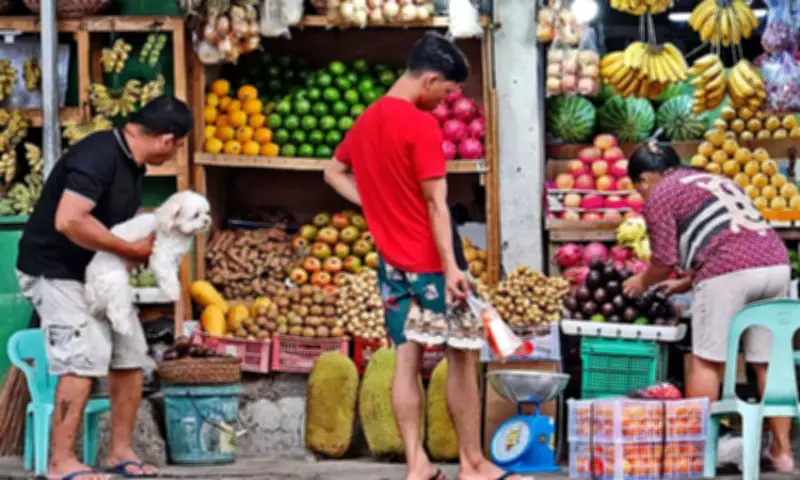
National food inflation rose to 6.1 percent in April, more than double the 2.7 percent recorded in March. Rice prices jumped sharply to 13.7 percent from 3.5 percent. Other staples also saw notable increases: corn (21.0 percent), fish and seafood (9.4 percent), and vegetables (10.4 percent). Cereals and cereal products, including rice and corn, were the largest contributors to food inflation, accounting for more than half of the total.
Regional Variations
Outside the National Capital Region, Central Visayas recorded the highest inflation rate for the ninth consecutive month at 10.8 percent, while the Negros Island Region registered the lowest at 4.9 percent.
Government Response
The Department of Economy, Planning, and Development (DEPDev) attributed the significant increase to the prolonged Middle East conflict, which disrupts fuel supply chains. Secretary Arsenio Balisacan assured that the government is working to cushion the effects, particularly on food, energy, and transport prices, while ensuring domestic supply stability.
As of April 24, 2026, financial assistance had been provided to 1.11 million drivers. By April 27, 2026, 366,009 fuel subsidy recipients and 2.36 million commuters received 20 percent fare discounts. Balisacan added that assistance to farmers and fisherfolk is being extended through programs such as the Department of Agriculture's suspension of loan repayments for up to one year under the Survival and Recovery Program and a pilot lower-cost fertilization protocol to reduce reliance on urea.
“We remain committed to a whole-of-government approach in addressing the impact of the Middle East crisis. Our priority is to ensure stable fuel supply, manageable prices, and adequate protection for all sectors amid ongoing domestic and global challenges,” Balisacan said.