DTI Inaugurates P1.89-Million Cacao Processing Facility in Tuburan to Strengthen Local Agriculture
The Department of Trade and Industry (DTI) has officially launched a P1.89-million Shared Service Facility (SSF) in Tuburan, Cebu, on February 27, 2026. This strategic initiative is designed to fortify the local cacao value chain, elevate farmers' incomes, and broaden opportunities for value-added agribusiness products in the region.
Enhancing Cacao Value Chain Through Integrated Processing
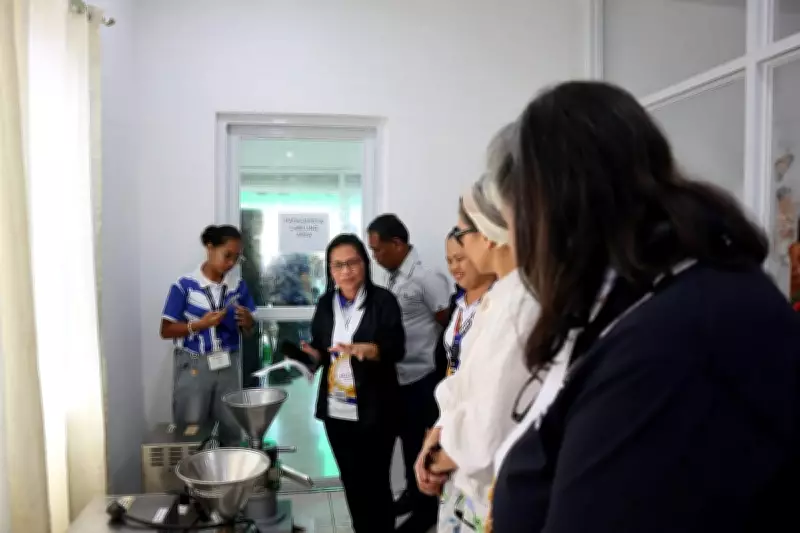
Located in Barangay 2-Poblacion, Tuburan, the facility focuses on integrated post-harvest processing of cacao and the utilization of cacao waste. It enables farmers to transform raw beans into higher-value goods, directly benefiting approximately 400 cacao farmers who are members of the First Consolidated Cooperative Along Tañon Seaboards (FCCT). This cooperative operates extensively across Cebu and Negros Islands, playing a pivotal role in the project's implementation.
The SSF is equipped with state-of-the-art machinery for:

- Roasting
- Cracking
- Grinding
- Tempering
- Pressing
- Milling
This equipment facilitates the production of diverse products such as tablea, dark and milk chocolate, cocoa powder, and cocoa butter. Additionally, the facility includes technology to convert cacao waste into charcoal briquettes, promoting a zero-waste production model that aligns with sustainable agricultural practices.
Stakeholder Perspectives on Economic and Market Expansion
FCCT Chairman Mardonio L. Benting emphasized that the facility provides farmers with an assured market and enhances their capacity to ascend the value chain. "By integrating post-harvest processing and waste utilization, we are increasing income opportunities while strengthening sustainable agriculture," Benting stated.
FCCT Chief Executive Officer Clavel Aves highlighted the facility's role in upgrading the competitiveness of cacao farmers. "This Shared Service Facility equips cooperatives with processing capabilities and links them to markets, ensuring that more value remains within the community," Aves explained, noting its potential to bolster both local and international supply chains.
Raquel Choa, founder of Cebu-based chocolate company The Chocolate Chamber, pointed out the timeliness of the project as Cebu-made chocolate gains recognition in international markets like Europe and the United States. "With FCCT already developing a wider international market, this facility will help producers meet rising global demand while maintaining quality standards," Choa remarked.
Long-Term Sustainability and Community Impact
DTI-Cebu Officer-in-Charge Provincial Director Marivic Aguilar stressed that the facility's success hinges on effective management and collaboration among stakeholders. "An SSF works only when people make it work. This facility belongs to the farmers and MSMEs it serves, and we are confident that FCCT's leadership will turn this investment into lasting benefits for the community," Aguilar said.
The project is anticipated to generate multiplier effects across the cacao sector, including increased demand for planting materials, organic fertilizers, and fermented dried cacao beans. Operating within a 100-square-meter processing plant for cacao products and a separate 100-square-meter area for cacao waste briquette production, the facility positions Tuburan as an emerging hub for cacao-based enterprises.
This development supports rural industrialization and expands economic activity in Cebu's agribusiness sector, marking a significant step toward sustainable development and enhanced livelihoods for local farmers.