Rising Fuel Prices Threaten Livelihood of Cordova Fisherman Jamlo Villaber
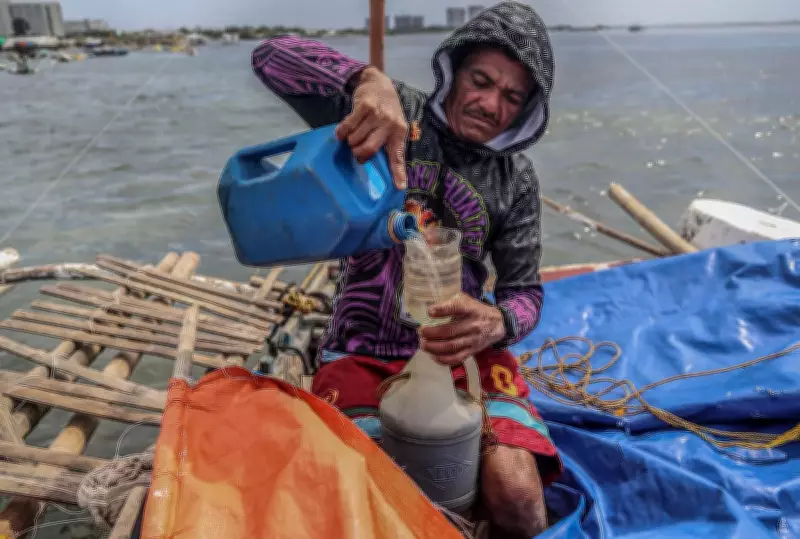
The escalating tensions in the Middle East have triggered a sharp increase in global oil prices, and the ripple effects are being felt acutely by local fishermen in the Philippines. Among those severely impacted is Jamlo Villaber, a 52-year-old fisherman from Cordova City, whose livelihood of harvesting swaki or sea urchins is now under threat due to the soaring cost of fuel.
Financial Strain from Fuel Costs
Villaber embarks on fishing trips twice daily, but his daily fuel expenses have surged dramatically from P400 to P700. This spike has drastically reduced his net income from sea urchin sales. On a productive day, he manages to collect four to five buckets of sea urchins, which he sells at P50 per bucket, earning him up to P750. However, with the increased fuel costs, his profits have been slashed, forcing him to triple his catch just to break even.
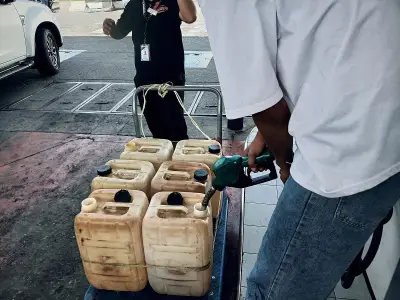
Before heading out to the waters near Pandanon Island, Villaber purchases five liters of gasoline for his small boat. The financial pressure is immense, as he must now work harder and longer to sustain his earnings, a challenging feat given the physical demands of his trade.

Health Risks and Personal Struggles
Beyond the financial hardships, Villaber faces significant health risks. Harvesting sea urchins requires prolonged diving underwater, a dangerous activity for someone his age. He has already experienced skin irritation from this work, highlighting the occupational hazards that come with his livelihood. Compounding these challenges, Villaber is a father of four, including a 13-year-old who is still in school, adding to his familial responsibilities and financial burdens.
Impact on Local Tourism Operators
The fuel price hike is not isolated to fishermen; it also affects tourism operators in the Cordova RORO Port area. Island-hopping boat operators, who cater to thousands of tourists on weekends, report that their profits have been squeezed. They currently charge tourists between P3,000 and P5,000 per trip, depending on the boat size, but their diesel costs have risen from P600 to P800 to P1,000 per voyage.
Additionally, operators must pay captain fees of P800 for regular boats and P1,000 to P1,500 for premium vessels, along with helper wages. These increased expenses threaten the sustainability of their businesses, potentially impacting local tourism and the broader economy of Cordova.
The situation underscores how global events, such as Middle East tensions, can have direct and profound effects on local communities, jeopardizing livelihoods and health in regions far from the source of the crisis.