The Metropolitan Cebu Water District (MCWD) has deployed 50 generator sets as part of its contingency measures to ensure uninterrupted water supply across Metro Cebu amid rotational brownouts caused by the Visayas Grid Red Alert.
MCWD Assurance to Consumers
MCWD General Manager John Dx Lapid assured consumers that pumping stations and major facilities will remain operational despite the unstable power situation. The utility is preparing for possible prolonged supply shortages due to increasing demand and the threat of El Niño.
“We have 50 generator sets ready to ensure the continued operation of our facilities during power interruptions,” Lapid said after an hour-long rotational brownout affected parts of Cebu, Mandaue, Naga City, and San Fernando due to the Visayas Grid Red Alert.

No Plan to Increase Water Rates
This commitment comes amid public concern over the potential impact of recurring brownouts on the already severe water supply shortage in Metro Cebu. Despite higher operational costs from using generators and sourcing alternative supplies, Lapid stated that there are currently no plans to increase water rates.
He added that the utility is prepared to use more expensive alternative sources if necessary to maintain service. “As I mentioned earlier, if any problems arise with Metro Cebu South, we have desalinated water ready. Although this water is a bit more expensive, when it comes to public service, the Water District will do what is necessary to provide water to our consumers,” he said.
Desalinated Water as Last Resort
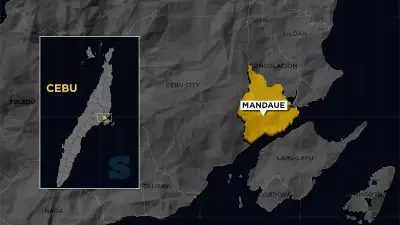
MCWD identified desalinated water from its facility in Opao, Mandaue City as a last-resort backup option during severe shortages or operational shutdowns.
Supply Deficit Remains a Challenge
Despite these measures, MCWD acknowledged a significant supply deficit compared to Metro Cebu’s demand. The utility’s average production has dropped from 270,000 cubic meters per day in January to an estimated 264,000 cubic meters, while total demand has reached about 600,000 cubic meters daily.
The Jaclupan facility in Talisay City, the utility’s main production plant, remains operational via standby generators during brownouts. However, its output has decreased from 25,000 to approximately 21,000 cubic meters per day due to current conditions.
Lapid admitted that this deficit remains a major challenge but emphasized that the agency relies on multiple interconnected sources and emergency supplies to avoid widespread water shortages.
Backup Sources and Interconnections
Water from Carmen remains a stable backup source as it is less affected by El Niño. The Carmen system currently provides 30,000 cubic meters per day and can add another 7,000 cubic meters if needed. Another source in Compostela supplies around 10,000 cubic meters daily, though officials warned it could be affected if the dry spell persists.
To augment supply, MCWD is ready to maximize interconnections and alternative supply systems if the situation worsens.
Types of Water Interruptions
While MCWD assures that severe water shortages can be avoided, officials warned of localized water interruptions in specific areas, especially if El Niño intensifies or operational issues arise. Interruptions are classified into two types: emergency and scheduled.
Emergency interruptions occur due to sudden pipe bursts, equipment failure, or urgent repairs requiring shutdown for safety. Scheduled interruptions for maintenance are announced in advance to allow consumers to store water.
MCWD noted that additional advisory interruptions may occur if water production further declines during the summer.
Crackdown on Illegal Water Use
Amid dwindling supply, MCWD has intensified monitoring against illegal hydrant use and water theft. Lapid stated that only tankers approved by local governments and registered with MCWD are allowed to draw water from hydrants for emergency distribution. Unauthorized use, including irrigation and other non-emergency purposes, is strictly prohibited.
MCWD reported that about 140 cubic meters of water were stolen in March alone, warning that such incidents disrupt supply and increase contamination risks. The utility is coordinating with authorities to prosecute offenders.

Call for Conservation
Both MCWD and the Visayan Electric Company (Veco) are urging consumers to conserve resources. Veco previously asked residents to reduce electricity use during peak hours to help stabilize the grid amid recurring red alert situations.
MCWD encourages households to avoid unnecessary water use, repair leaking faucets, minimize continuous water flow, and report pipe bursts promptly via hotline and social media channels.
Despite growing supply challenges, MCWD remains committed to preventing severe water shortages through backup generators, alternative sources, desalination reserves, and emergency distribution systems.