NFA Seeks Emergency Powers to Sell Cheaper Rice Directly to Public
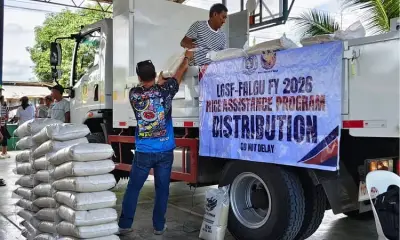
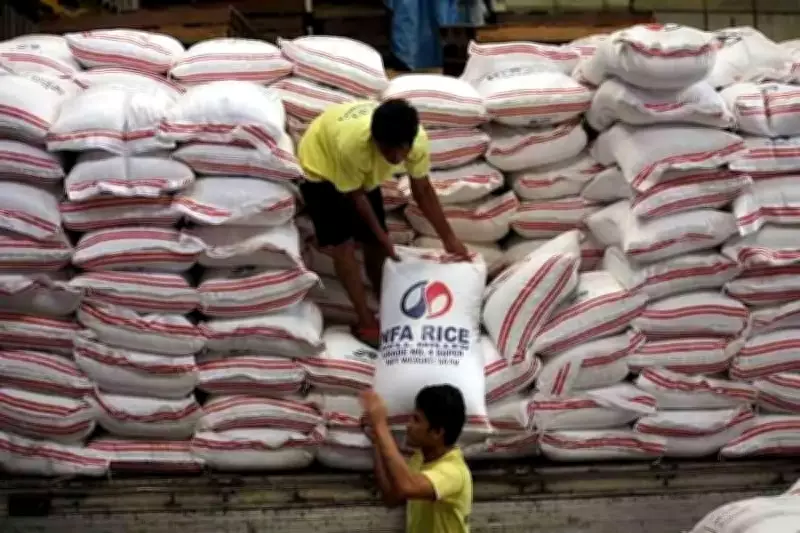
The National Food Authority (NFA) is currently advocating for the grant of emergency powers or special authority to enable it to sell cheaper rice directly to the public amidst escalating prices. This move aims to eliminate intermediaries and facilitate direct sales in markets, thereby reducing the cost of rice for consumers.
Streamlining Rice Distribution and Supporting Farmers
The agency also intends to accelerate the purchase of palay from local farmers and expedite the milling process. Under the proposed plan, the NFA would sell rice at prices ranging from ₱33 to ₱36 per kilogram to local government units and Kadiwa stores, which could then retail it to the public at rates lower than commercial rice.
Currently, the Rice Tariffication Law (RTL) restricts the NFA's authority, requiring it to sell rice first to the Food Terminal Inc. (FTI) or Local Government Units (LGUs) before it reaches Kadiwa centers. With NFA warehouses at full capacity, the agency needs to release older buffer stocks, known as aging rice, to make room for newly harvested palay.

Addressing Market Pressures and Consumer Concerns
This proposal responds to the continuous rise in rice prices, which have surged to ₱52 to over ₱58 per kilogram in some areas, and prepares for the impact of significant increases in oil and transportation costs. According to NFA Administrator Larry Lacson, if emergency powers are approved, the agency could intervene more swiftly in the market to alleviate consumer hardship.
Key Points:

- The NFA seeks emergency powers to sell rice directly, bypassing middlemen.
- Prices would be set at ₱33 to ₱36 per kilogram for LGUs and Kadiwa stores.
- This aims to address high rice prices, currently up to ₱58 per kilogram in some regions.
- The move is also a preparation for potential oil and transport cost hikes.
- NFA Administrator Larry Lacson emphasizes faster market intervention to help consumers.