Pampanga Business Group Sounds Alarm on Fuel Price Crisis
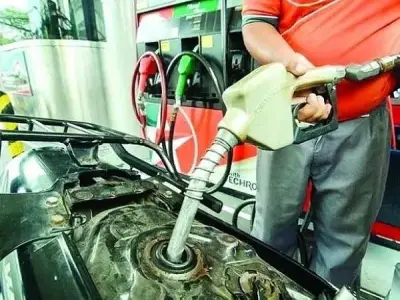
The Pampanga Chamber of Commerce and Industry, Inc. (PamCham) has issued a stark warning and proposed a series of strategic measures to help cushion the economic fallout from escalating fuel prices, driven by ongoing geopolitical tensions involving the United States, Israel, and Iran. The business organization emphasized that volatility in global oil markets could potentially drive inflation rates as high as 7%, leading to significantly increased costs for goods and services across Central Luzon and beyond.
Projected Economic Repercussions
In a detailed statement, PamCham highlighted the direct correlation between rising fuel costs per liter and projected inflation spikes. The group stressed that the conflict's ripple effects threaten to inflate the cost of living and business operations in Region 3, urging immediate acknowledgment and action from stakeholders. "As we witness an increase in the cost of fuel per liter—projected to surge alongside inflation rates—it is imperative that we acknowledge the potential repercussions this conflict could have on the cost of goods and services in Region 3," PamCham declared.
Proposed Mitigation Strategies
To shield both businesses and consumers from the impending economic strain, PamCham has called on national and provincial governments to adopt several economic measures, drawing inspiration from policies implemented during the oil crises of the 1970s. The proposals include:

- Implementation of daylight saving time to maximize natural daylight usage, thereby reducing electricity consumption and lowering energy costs for households and enterprises.
- Promotion of public transportation and carpooling initiatives to decrease fuel demand and alleviate transportation expenses for commuters and companies.
- Adoption of cost-cutting measures in government offices, such as reduced office days and work-from-home arrangements for units capable of remote functioning, to streamline operations and cut overheads.
- Support for renewable energy programs to diminish the Philippines' reliance on imported fuel and insulate the economy from unpredictable global oil price fluctuations.
"By shifting the clocks forward, we can capitalize on natural daylight to reduce reliance on artificial lighting and lower energy costs," the group explained regarding the daylight saving proposal.
Call for Collaborative Resilience
PamCham underscored that fostering community-wide awareness and implementing these strategic actions are essential for navigating the current challenges. The chamber advocates for a united front between government entities and the business sector to effectively address the economic pressures stemming from rising fuel costs and inflation. "By implementing strategic measures and fostering community-wide awareness, we can navigate these challenges while promoting resilience and sustainability in the face of rising costs," PamCham concluded, emphasizing that cooperation will be crucial in mitigating the adverse impacts on the local and national economy.