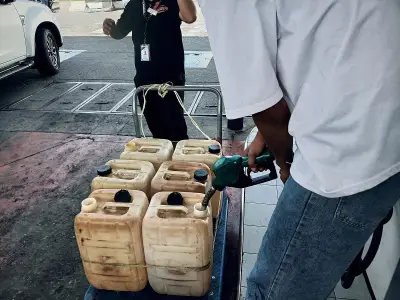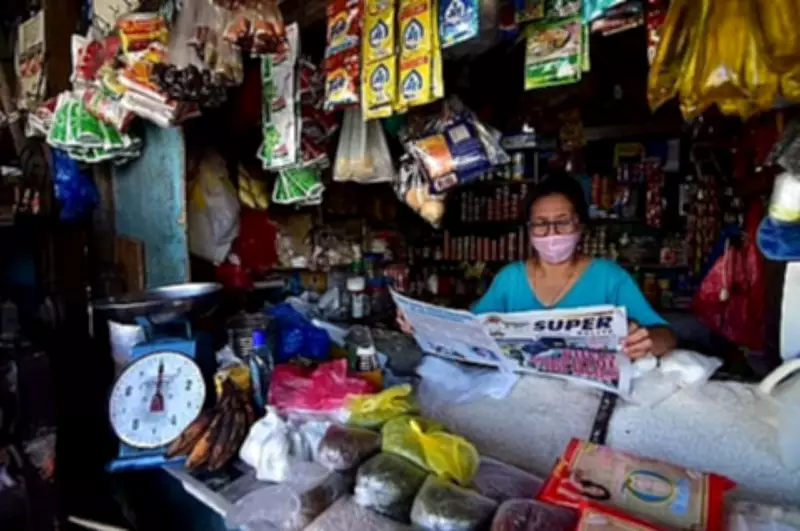
Sari-sari stores across the Philippines experienced a sharp 90 percent jump in sales in March 2026, as rising global oil prices linked to the ongoing Middle East conflict triggered widespread stockpiling among micro-retailers and consumers. Data from tech startup Packworks, based on over one million transactions on its Sari.PH Pro platform, revealed that gross merchandise value (GMV) across its network of 300,000 stores climbed to P3.73 billion in March, nearly doubling from P1.97 billion in February.
Sharp Spike in Sales
The most pronounced spike occurred on March 21, 2026, when GMV surged 265 percent. This came just days after authorities announced double-digit fuel price hikes on March 17, prompting store owners to secure inventory ahead of expected increases in transport and wholesale costs. At the community level, the response was immediate. A sari-sari store owner in Uson, Masbate, reported beginning to stockpile goods due to fears of supply shortages and delivery delays. In some areas, lead times stretched to as long as three weeks, pushing retailers to buy fast-moving items in bulk.
Shift in Consumer Behavior
The data also points to a shift in consumer behavior. While sari-sari stores traditionally cater to small, daily “tingi” purchases, households are now consolidating spending to reduce transport costs. Average basket sizes rose significantly, increasing from a range of P337 to P1,097 in February to P597 to P1,560 in March. Meanwhile, transaction volumes grew by just 17 percent, indicating fewer but larger purchases.

“Our data shows sari-sari store owners are proactively adjusting to rising oil and commodity prices,” said Packworks chief data officer Andoy Montiel. “Bigger basket sizes and higher inventory levels reflect preparation for potential supply disruptions.”
Regional Variations
Regionally, the Cordillera Administrative Region recorded the largest increase in basket size at 101.7 percent, followed by the National Capital Region at 85 percent and the Bangsamoro Autonomous Region in Muslim Mindanao at 80.2 percent. Top-selling items during the period included cigarettes, detergent, gin, powdered coffee, and snack products, alongside staples such as soda, biscuits, powdered milk, and canned goods—underscoring heightened household stocking activity.
Resilience and Vulnerability
Packworks chief platform officer Hubert Yap said the trend highlights both the resilience and vulnerability of sari-sari stores. “While these stores remain the backbone of local communities, they are also highly exposed to price volatility and logistical disruptions,” he said, noting the need for continued support for the sector.