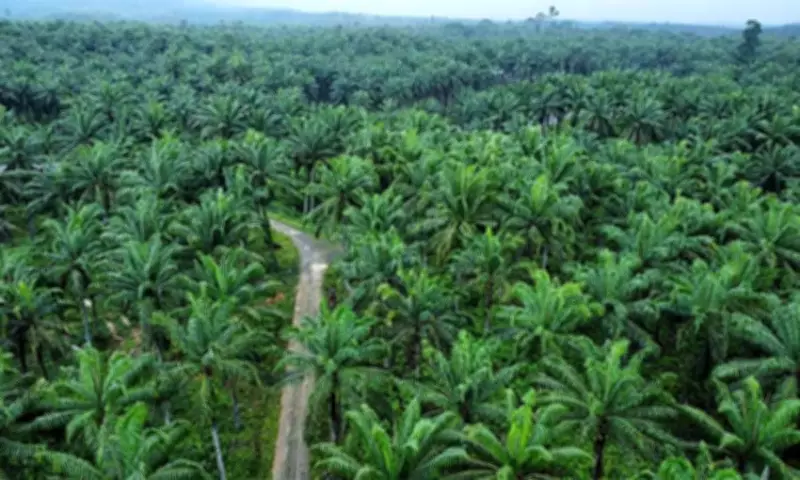
Philippines Intensifies Focus on Oil Palm Development in Mindanao to Transform Edible Oil Production
The Philippine government is significantly escalating its emphasis on oil palm development in Mindanao, with a strategic vision to establish the island as the country's foremost production center for edible oils. This initiative forms a crucial component of a long-term strategy designed to reduce import dependency, elevate rural incomes, and strengthen overall food supply resilience.
Budget Push Signals Renewed Policy Priority
Agriculture Secretary Francisco P. Tiu Laurel Jr. announced earlier this week that the government plans to substantially increase investment in the oil palm industry by 2027. This follows a reduction in this year's proposed allocation from P1 billion to P79 million. The agency is now targeting a P1.2 billion budget for next year to fund critical areas such as fertilizer subsidies, expansion of planted areas, and productivity improvements, underscoring a renewed commitment to accelerate industry growth.
"Let's invest where farmers earn," Tiu Laurel stated in a press release during a strategy meeting, framing palm oil development as part of a broader effort to align public spending with profitability data. Officials highlight that oil palm offers robust income potential, with average yields reaching approximately 3.8 metric tons per hectare, far surpassing coconut output of less than one metric ton. Consequently, palm oil farmers can earn at least double the roughly P90,000 annual income typically generated from coconut farming.

Mindanao Dominates as the Production Base
Oil palm plantations currently cover about 100,000 hectares nationwide, with the majority concentrated in Mindanao. Government planners view this geographic focus as an advantage, enabling resources to be channeled where expansion can scale most rapidly. Supporting this growth, the country possesses 11 palm oil mills and five refineries, including a modern P600 million facility in Sultan Kudarat financed with support from the Land Bank of the Philippines and the agriculture department.
Despite these existing assets, domestic supply continues to fall short of demand, compelling the Philippines to import substantial volumes of palm oil annually. Closing this gap remains a central objective of the government's expansion program.
Seed Supply and Research Infrastructure Enhancements
To bolster plantation growth, the Philippine Coconut Authority (PCA) is preparing to develop local planting material production to diminish reliance on imported seedlings. PCA Administrator Dexter Buted revealed that the agency plans to establish nurseries in selected areas of Caraga using germinated seeds sourced through government-to-government arrangements.
"The PCA is planning to establish oil palm nurseries in selected areas in the Caraga region through the importation of germinated seeds under government-to-government arrangements," Buted explained, noting that local propagation would significantly lower input costs for farmers. Additionally, the agriculture department is exploring the possibility of utilizing the University of Southern Mindanao in North Cotabato as a base for reviving and expanding a government-supported nursery system, with disease-free planting materials expected to be sourced from Malaysia.
Addressing Data Gaps and Planning Challenges
While expansion prospects are strong, officials acknowledge structural weaknesses that must be addressed to sustain growth. A key challenge is the lack of comprehensive and updated industry data necessary to guide investment decisions and optimize resource allocation.
"We need to fix the data to optimize our investment in this crop," Secretary Laurel emphasized. Analysts point out that reliable production statistics, yield monitoring, and land-use mapping will be critical for ensuring that expansion targets translate into tangible output gains.
Strategic Economic Rationale Behind the Push
The government's intensified focus comes as cooking oil demand continues to rise, driven by population growth, food manufacturing, and price pressures in global vegetable oil markets. Imports have adversely impacted the country's trade balance, reinforcing the urgency for domestic supply development.

Policy planners are increasingly regarding palm oil as a strategic crop rather than a niche commodity. Its high yield, long productive lifespan, and diverse industrial applications make it an attractive option for both farmers and investors, particularly in regions with suitable land and infrastructure like Mindanao.