Philippines Considers Price Cap on Imported Rice Amid Global Oil Price Surge
The Department of Agriculture (DA) is actively investigating the potential implementation of a price ceiling on imported rice, as escalating global oil prices pose a significant threat to shipping expenses and agricultural input costs. This move aims to stabilize retail prices while ensuring farmgate prices for palay remain protected, according to a recent statement from Agriculture Secretary Francisco Tiu Laurel Jr.
Reviewing Legal Grounds for Price Control
Secretary Laurel emphasized that the National Government is currently evaluating a proposed price cap of approximately P50 per kilo on imported rice. The department is thoroughly examining the legal framework to determine if such a ceiling is permissible under existing regulations. If deemed feasible, this proposal will be presented to President Ferdinand Marcos Jr. as part of a comprehensive strategy to mitigate the adverse effects of the global oil shock on the agricultural sector.
Balancing Consumer and Farmer Interests
In addressing locally produced rice, Laurel indicated that the DA is unlikely to impose a price ceiling at this time. This decision is driven by concerns that it could negatively impact farmers who are currently benefiting from improved palay prices during the harvest season. "We may impose a price cap on local rice after the harvest to avoid profiteering," he stated, highlighting the government's commitment to balancing consumer protection with safeguarding farmers' income.

Impact of Middle East Tensions on Commodity Markets
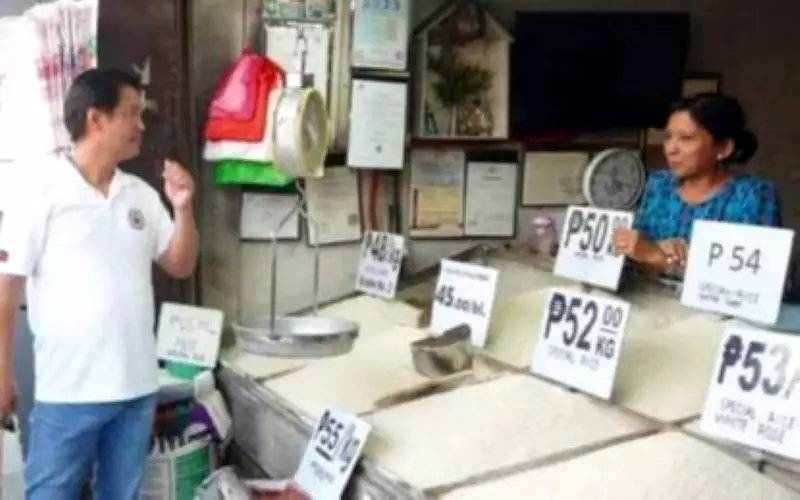
The DA pointed out that ongoing tensions in the Middle East are significantly affecting commodity markets, particularly oil prices. This has led to increased costs for essential agricultural inputs such as fertilizer, fuel, and freight. Laurel noted, "The impact is already showing in rice imports. Freight rates have doubled, pushing the landed cost of the widely imported DT8 variety close to $500 per metric ton." Despite these rising expenses, he expressed concern that retail prices in some markets, reaching P60 to P65 per kilo, may border on profiteering.
Government Initiatives to Stabilize Prices
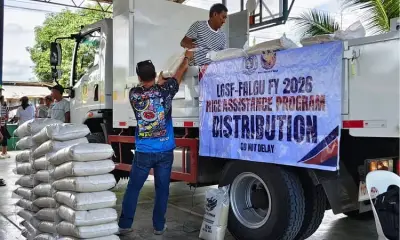
To counteract these price pressures, the DA has directed government-run firms, including Food Terminal Inc. (FTI) and Planters Products Inc. (PPI), to sell rice at reduced prices. FTI is currently offering rice at P45 per kilo, while PPI sells it at P48 per kilo. This initiative, which began in Metro Manila, is set to expand to Southern Luzon, the jurisdiction of the Cebu City Government, and other major urban centers. These measures are designed to maintain rice affordability while the National Government continues to study policy responses to volatile oil prices.