MSMEs in Talisay City Implement Energy-Saving Strategies Amid Oil Price Volatility
Micro, small, and medium enterprises (MSMEs) in Talisay City are intensifying their energy-saving initiatives as the government works to secure extra oil supply. This move comes in response to escalating global fuel prices, which have been fueled by geopolitical tensions in the Middle East. The Talisay City Chamber of Commerce and Industry has highlighted that businesses are keeping a close watch on developments within the Visayan Electric Company's franchise area. They warn that persistent increases in global oil prices could eventually lead to higher electricity rates, putting additional strain on local enterprises.
Vulnerability of MSMEs to Cost Fluctuations
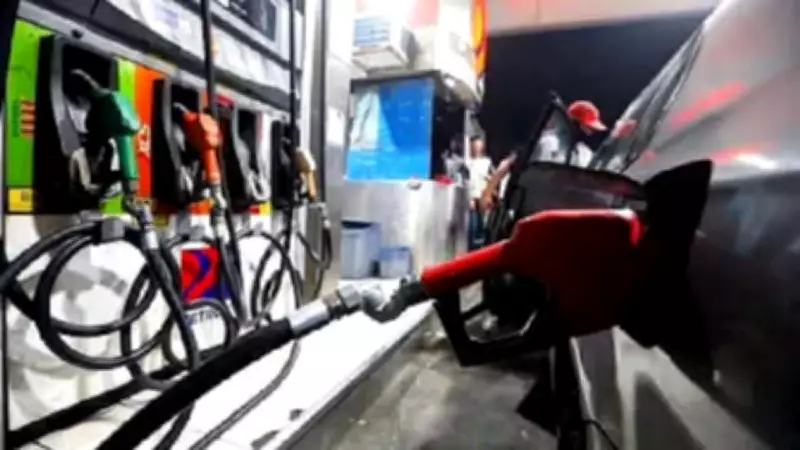
Carl Cabusas, president of the chamber, emphasized that MSMEs are especially susceptible to cost swings. He noted that even minor hikes in power expenses might compel firms to modify their services, adjust manpower allocation, or revise sourcing strategies to maintain viability. This concern is particularly pressing as oil prices have already surged by as much as P23.90 per liter this week, reflecting the volatility linked to the ongoing Middle East conflict. For MSMEs, the primary worry is how these global trends could translate into elevated operating costs, with electricity being a key area of focus.
Government Measures to Stabilize Supply
In response to these challenges, the national government is taking preemptive actions to stabilize oil supply. Finance Secretary Frederick Go announced that PNOC Exploration Corp. will procure two million barrels of oil from global markets. This quantity is equivalent to approximately 10 days of additional buffer stock, aimed at cushioning the impact of potential supply disruptions. During the InvestPH conference on March 17, Go stated, "The procurement is a precautionary measure to dispel fears of an oil shortage." He added that the government is also striving to diversify fuel import sources and secure more favorable pricing through expanded supplier networks.

Practical Energy-Efficiency Recommendations
To help MSMEs mitigate risks, the chamber is advocating for the adoption of practical energy-efficiency measures. These include:
- Turning off air-conditioning units during lunch breaks to reduce electricity consumption.
- Setting cooling systems at around 24 degrees Celsius to optimize energy use without compromising comfort.
- Aligning delivery or logistics schedules with peak operational hours to minimize fuel usage.
While the chamber is not yet recommending extreme measures such as implementing a four-day workweek—due to potential negative effects on workers' incomes—it acknowledged that firms may need to reassess their operational strategies if cost pressures continue. Amid the uncertainty, the group is promoting responsible energy use, encouraging knowledge-sharing, and fostering closer cooperation within the local business community. These efforts are designed to enhance resilience as global and domestic energy dynamics evolve, ensuring that MSMEs can navigate the challenges posed by fluctuating oil prices and geopolitical instability.