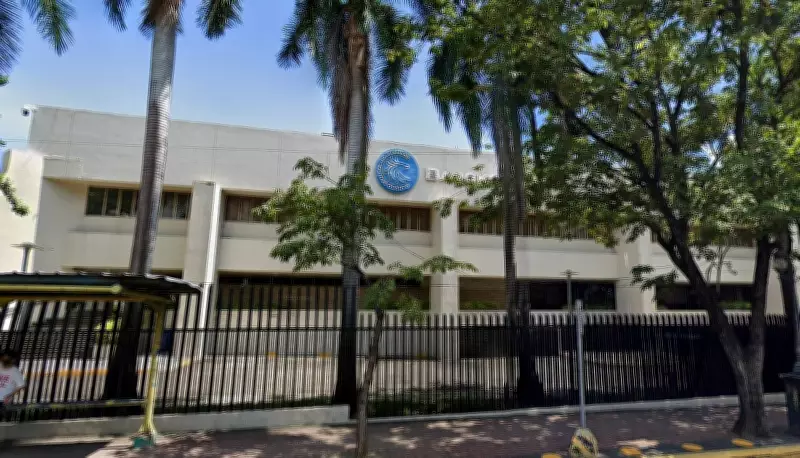
BSP Anticipates February 2026 Inflation to Settle Within 2.3% to 3.1% Range
The Bangko Sentral ng Pilipinas (BSP) has released its latest advisory, forecasting that inflation for February 2026 will likely fall within a range of 2.3 percent to 3.1 percent. This projection reflects a complex landscape of mixed price pressures affecting various commodity groups across the Philippine economy.
Upside and Downside Risks to Inflation
According to the central bank, several factors could push inflation higher in the coming month. Key upside risks include elevated prices for rice and fish, which have been impacted by supply chain dynamics and market conditions. Additionally, domestic petroleum prices remain high, and electricity charges in areas serviced by Manila Electric Company are expected to increase, adding further inflationary pressure.
However, these pressures may be partially mitigated by other economic factors. Lower prices for vegetables, fruits, and meat are anticipated to provide some relief, alongside the appreciation of the Philippine peso against major currencies. The BSP emphasized its commitment to monitoring both domestic and international developments closely. This vigilance aims to ensure that monetary policy settings remain aligned with the central bank's mandate of fostering price stability, which is essential for sustainable economic growth and employment.

Metrobank's Analysis and Forecast
In a parallel assessment, Metropolitan Bank & Trust Company (Metrobank) has provided its own inflation forecast for February 2026. The bank predicts headline inflation to settle at 2.4 percent, a figure well within the BSP's target band of 3±1 percent. Metrobank noted that while the BSP recently implemented another round of policy rate cuts, the full impact of this monetary easing on price levels will take time to materialize in the economy.
The bank highlighted that low base effects from the previous year may begin to surface in the coming months, potentially fanning inflation and steepening the bond yield curve. This phenomenon occurs when current price increases are measured against unusually low prices from the same period last year, creating a statistical boost to inflation rates.
Detailed Insights into Key Commodity Groups
Metrobank's analysis delved deeper into specific factors influencing inflation:

- Rice and Onion Dynamics: Rice deflation slowed to single digits year-on-year in January, as farmgate prices increased month-on-month following a four-month import ban imposed by the Department of Agriculture. This ban was intended to protect local farmers from sharp price declines. However, the delayed arrival of imports after the ban was lifted helped sustain rice price increases into early February. Despite this, annual rice deflation likely continued in February, exerting downward pressure on overall inflation. Onions are also expected to contribute to easing price pressures as harvests peak in March, although farmer groups have raised concerns about imports flooding the market.
- Base Effects and Power Costs: Vegetables, fruits, and seafood may register faster year-on-year increases in February, largely due to low base effects as price growth for these items began slowing in the same period last year. In contrast, preliminary data suggests pork prices may have declined year-on-year this month, amid a sharp drop in African Swine Fever cases that allowed hog production to recover. Electricity rates are projected to push inflation higher, with more pronounced increases in areas served by Davao Light and Power Company and Visayan Electric Company.
- Rental and Energy Drivers: Rental rates for housing, which were among the top contributors to inflation in January, are expected to rise further as annual lease contracts are commonly renewed and repriced at the start of the year. A faster year-on-year increase in rental prices is anticipated in February and March as more contracts come up for renewal. Fuel prices, while higher month-on-month, remained lower year-on-year, reflecting ongoing swings in global oil markets.
Overall Outlook and Economic Implications
Metrobank concluded that food, energy, and rental costs will continue to be the primary drivers of headline inflation in February 2026. While rice and onion prices may offer some partial relief, these factors are not sufficient to offset broader inflationary trends. Nevertheless, the bank remains optimistic that inflation will stay within the BSP's target range for the month, supported by base effects and easing supply pressures in select food items.
This comprehensive analysis underscores the delicate balance the Philippine economy must maintain amid fluctuating commodity prices and external economic pressures. Both the BSP and private sector institutions like Metrobank are closely watching these developments to guide future policy and investment decisions.