Cebu Rotary Club Mobilizes Funds for Pediatric Heart Surgeries as Treatment Costs Soar
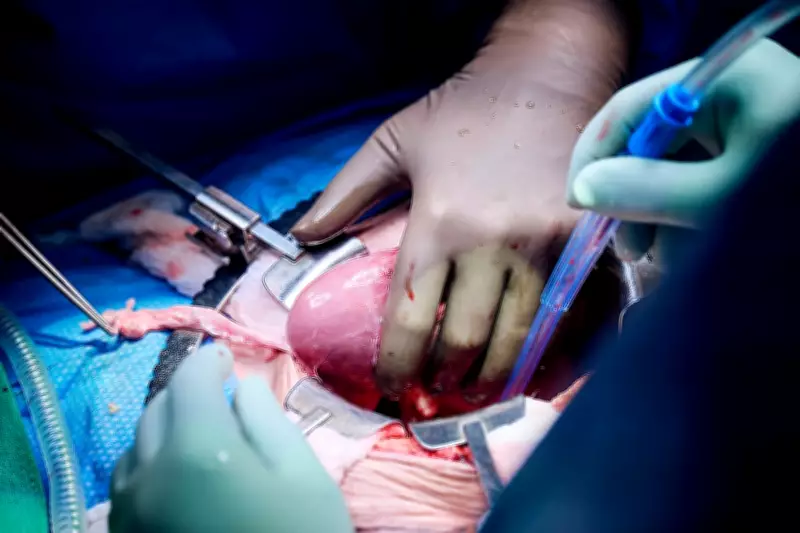
As the expenses for pediatric heart treatments escalate beyond the reach of many households, a humanitarian coalition of business leaders and professionals in Cebu is uniting to pool resources and finance critical surgeries for children suffering from congenital heart disease (CHD). The Rotary Club of Cebu has set an ambitious goal to fund more than 100 pediatric heart operations in 2026, leveraging its annual "Run for Gift of Life" event, which has transformed from a simple charity gathering into a robust, structured fundraising platform supported by corporate sponsors, business executives, and private donors.
Addressing a Critical Market Gap in Pediatric Care
Dr. John Albert Montoya from the Vicente Sotto Memorial Medical Center (VSMMC) highlights that affordability remains the central challenge in treating CHD. Device closures for this condition typically range from P400,000 to P500,000, while more complex open-heart procedures can incur significantly higher costs, making them prohibitive even for middle-income families. Congenital heart disease involves structural abnormalities in the heart or blood vessels present at birth, varying from minor defects to severe, life-threatening conditions. Globally, it affects approximately one in every 100 infants, with over four million children under the age of five estimated to be living with CHD.
Although public hospitals and government insurance programs offer partial coverage, out-of-pocket expenses, professional fees, and additional hospital costs continue to hinder early intervention efforts. Through a strategic partnership with the Let It Echo Foundation, the Rotary Club of Cebu's model absorbs a substantial portion of these financial burdens, enabling some families to pay little or nothing for essential surgeries. This initiative has expanded its reach beyond Cebu, now benefiting hospitals in Metro Manila and Bacolod, illustrating how private-sector fundraising in one region can subsidize healthcare access in others.

From Charity Event to a Structured Funding Model
Charles Vincent Ong, president of the Rotary Club of Cebu and also head of Citrineland Corp., describes the target of 100 surgeries as both symbolic and scalable. He notes that last year's fundraising milestone of P3 million demonstrated the viability of this approach. Alfredo Relucio Jr., chair of the Gift of Life Initiative, emphasizes that each race registration directly translates into surgical funding—a tangible outcome that resonates with corporate sponsors increasingly focused on impact-driven corporate social responsibility (CSR).
Rather than dispersing small donations across various causes, the group consolidates contributions into a single high-cost, high-impact medical outcome: one funded surgery equates to one saved life. Additionally, the initiative aims to raise public awareness that CHD is treatable and that organizations are available to help finance these critical treatments. A notable beneficiary from last year's run is two-year-old Cyrus, who underwent corrective surgery for patent ductus arteriosus at VSMMC. The procedure, costing about P85,000 excluding related expenses, was fully covered through the program.
As healthcare inflation persists, Cebu's corporate leaders are showcasing how localized private capital can temporarily bridge systemic financing gaps, particularly for high-cost, specialized treatments. With a goal of attracting 2,500 to 3,000 runners this year, organizers assert that the event transcends a mere race; it functions as a private-sector funding mechanism, channeling CSR budgets into life-saving medical interventions for children in need.