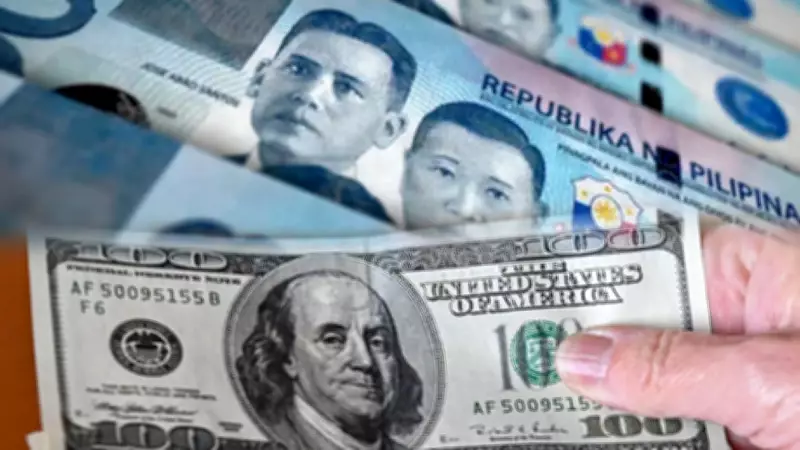
The Philippine peso has plunged to a new historic low against the US dollar, marking a significant downturn in the nation's currency valuation. According to the Bankers Association of the Philippines (BAP), the exchange rate closed at P59.50 per dollar, setting an all-time record that surpasses the previous low of P59.46 recorded on January 15.
Historical Context and Recent Trends
This latest decline comes after a brief period of recovery earlier this year. Before the recent geopolitical tensions involving the United States and Israel's attacks on Iran, the peso had shown some resilience, strengthening to P57.51 on February 25. However, the renewed instability has reversed those gains, pushing the currency to unprecedented depths.
Economic Implications and Market Reactions
The weakening peso is expected to have immediate and tangible effects on the Philippine economy, particularly in sectors reliant on imports. One of the most pressing concerns is the impact on oil prices, as petroleum is priced in US dollars globally. With the peso at its current low, consumers and businesses may face higher costs for fuel and related products, potentially driving up inflation and straining household budgets.

This development also highlights broader economic challenges, including potential difficulties in managing trade deficits and foreign debt. Market analysts are closely monitoring the situation, as continued depreciation could lead to increased volatility in financial markets and affect investor confidence.
Government Response and Policy Outlook
In response to the peso's decline, President Ferdinand Marcos Jr. has previously expressed his desire to prevent the currency from reaching the P60 per dollar threshold. His administration is likely under pressure to implement measures aimed at stabilizing the exchange rate, such as monetary policy adjustments or interventions by the Bangko Sentral ng Pilipinas (BSP).
As the situation evolves, stakeholders are calling for proactive strategies to mitigate the adverse effects on the economy. The government's ability to navigate this currency crisis will be critical in maintaining economic stability and protecting the purchasing power of Filipino citizens.