The Bangko Sentral ng Pilipinas (BSP) has issued a forecast indicating that inflation in the Philippines could potentially rise to a range of 3.1% to 3.9% for the month of March. This projection highlights a significant uptick from the previous month's figures, driven by several key economic factors.
Key Drivers of Rising Inflation
According to the BSP, the primary contributors to this anticipated increase in inflation include higher prices for petroleum products, rice, and electricity. Additionally, the depreciation of the Philippine peso has played a crucial role in pushing up the cost of goods and services across the country. These elements combined have created upward pressure on overall consumer prices.
Offsetting Factors and Previous Trends
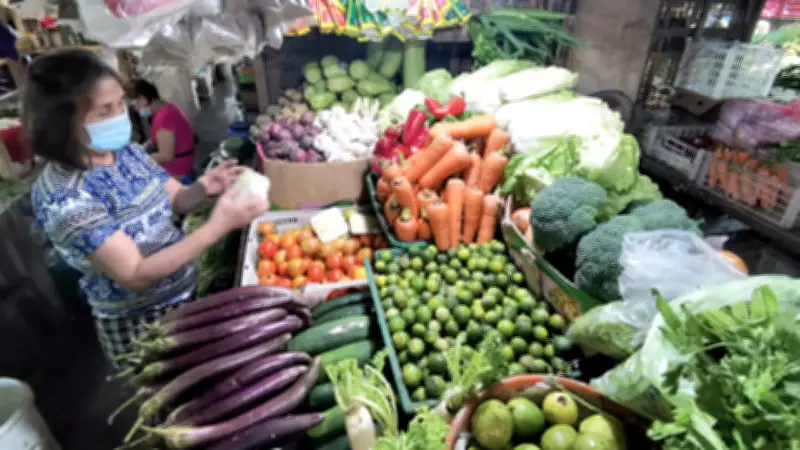
Despite these pressures, there are some mitigating factors at play. The BSP noted that lower prices for vegetables, fish, and meat have helped to temper the rise in inflation, preventing it from climbing even higher. In February, inflation stood at 2.4%, largely influenced by increased costs in housing and food sectors.

National Statistician Dennis Mapa had previously warned that inflation might continue to rise in the coming months due to the ongoing crisis in the Middle East, which affects global oil markets. This aligns with the BSP's recent projections for the full year.
Broader Economic Outlook for 2026
In a related development, the BSP revised its inflation forecast for 2026 last week, now expecting an average rate of 5.1%. This adjustment is attributed to the lingering effects of elevated oil prices following conflicts in the Middle East. The new projection is not only higher than earlier estimates but also exceeds the government's target range of 2% to 4%.
This upward revision underscores the challenges faced by the Philippine economy in maintaining price stability amid external shocks and domestic market dynamics. Policymakers will likely need to monitor these trends closely to implement measures that can curb inflationary pressures while supporting economic growth.