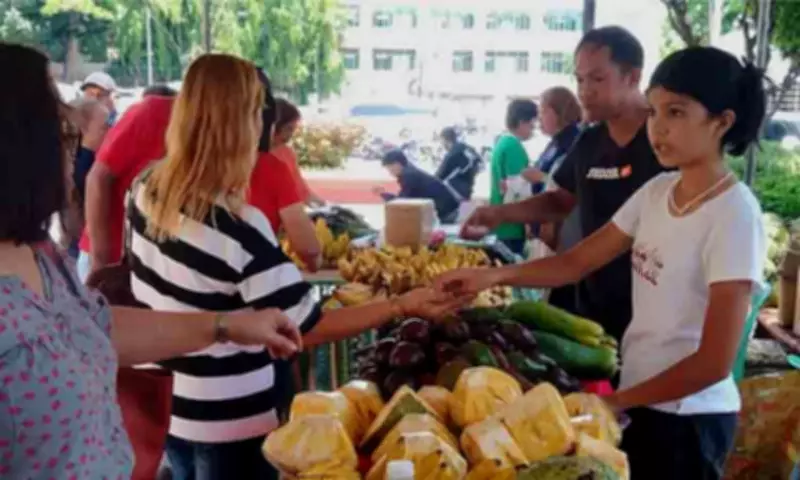
Inflation in the Davao Region surged to 8.9 percent in April 2026, up from 5.9 percent in March, according to the Philippine Statistics Authority-Davao Region (PSA-Davao). This figure exceeded the national inflation rate of 7.2 percent for the same month, highlighting mounting price pressures in one of Mindanao's key economic centers.
Key Drivers of Inflation
PSA-Davao identified transport and food commodities as the main drivers of the inflation surge. Transport recorded the fastest annual price increase among commodity groups at 20.7 percent in April, nearly doubling from 11.9 percent in March. The spike was attributed to higher fuel prices and increased operating costs for public and private transportation services, which also affected the movement of goods across the region.
Food inflation accelerated sharply to 11.3 percent from 5.9 percent in the previous month. Rice, corn, and cereal products posted steep increases, with rice and cereals surging 28 percent year-on-year and corn prices rising 33.3 percent. Vegetables, tubers, and cooking bananas increased by 20 percent, while fish and other seafood prices climbed 14.1 percent, adding pressure on household spending and retail markets.

Regional Disparities
Among provinces and highly urbanized cities in the region, Davao de Oro recorded the highest inflation rate at 11.9 percent, followed by Davao Occidental at 11.8 percent and Davao Oriental at 11.5 percent. Davao City posted the region's lowest inflation rate at 7 percent, matching the national average.
Impact on Businesses and Consumers
Business groups and transport operators raised concerns over sustained fuel price increases, warning that higher logistics and freight costs could continue pushing up commodity prices and operational expenses. Market vendors and consumers reported fluctuating prices of agricultural products, particularly rice, fish, and vegetables, which remain among the most purchased household items.
Economists said persistent inflationary pressures could continue affecting consumer purchasing power, especially among low-income households already struggling with rising daily expenses.
Outlook
Despite the higher inflation environment, regional economic managers earlier expressed optimism that measures to stabilize food supply, improve agricultural output, and enhance transport efficiency could help ease price increases in the coming months.