Government Launches Nationwide Fuel Subsidy Program to Counter Rising Oil Prices
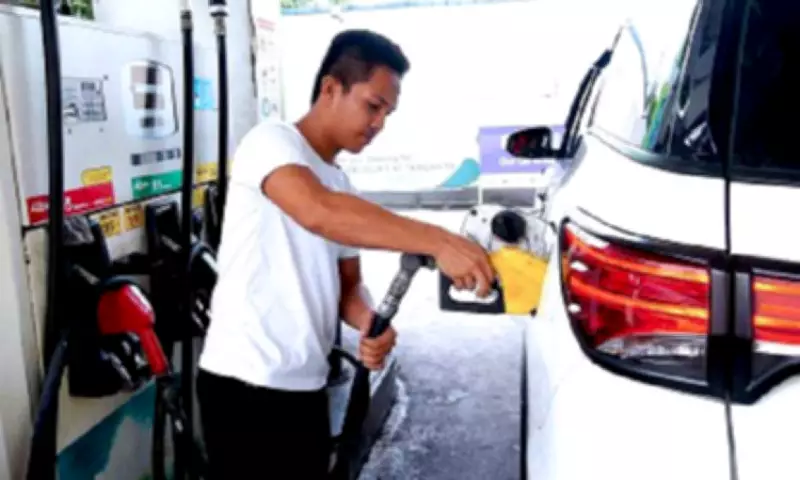
The Philippine government has announced the expansion of its fuel subsidy program for the transport sector across the entire nation, effective from April 6. This initiative, confirmed by Malacañang on Monday, aims to shield the public from the adverse effects of escalating oil prices, which have been driven by ongoing tensions in the Middle East.
Whole-of-Government Approach to Ease Burden
According to Palace Press Officer Claire Castro, the administration of President Ferdinand R. Marcos Jr. is adopting a whole-of-government approach to alleviate the financial strain on passengers, drivers, and other affected sectors. This strategy underscores the government's commitment to providing comprehensive support during this challenging period.
Nearly 100,000 tricycle drivers have already received fuel subsidies, in line with the president's directives. Additionally, farmers and fishermen are set to benefit from this assistance, with an extra P50 million allocated for regional field offices to ensure timely distribution.

Additional Measures for Public Relief
Castro highlighted that the government is continuing to implement further relief measures. These include the free ride program under the Love Bus initiative in Metro Manila, Metro Cebu, and Metro Davao, as well as a 50 percent discount on fares for the LRT-2 and MRT-3 systems. These steps are designed to provide immediate financial relief to commuters and reduce transportation costs.
The administration is also closely monitoring the prices of essential goods. President Marcos has assured the public that prices remain stable and are adhering to suggested retail prices, helping to maintain affordability for consumers.
Strengthening Energy Security and Supply
To address the root causes of oil price volatility, the government is actively working to secure additional oil supplies from partner countries and enhance energy capacity. Efforts include maximizing output from the Malampaya gas field and introducing new power projects to bolster the nation's energy resilience.
The expansion of the fuel subsidy program is part of a broader set of government actions aimed at protecting livelihoods and ensuring economic stability amidst fluctuations in the global oil market. By combining immediate financial aid with long-term energy strategies, the administration seeks to create a more secure and sustainable economic environment for all Filipinos.