President Marcos Assures Ample Oil Reserves Amid Global Tensions
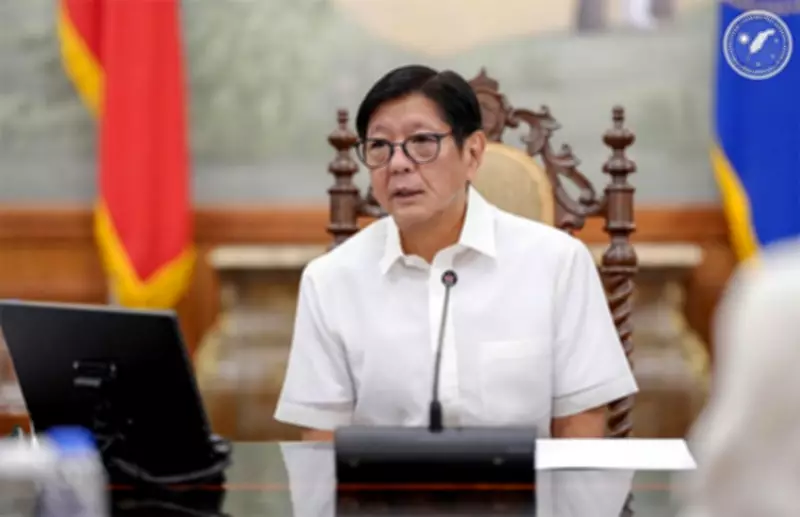
In a press conference held on Tuesday, March 3, 2026, President Ferdinand Marcos Jr. provided reassurances regarding the Philippines' oil supply stability. This announcement comes amidst escalating conflicts in the Middle East, a critical global oil-producing region that significantly influences international energy markets.
Sufficient Stockpile to Weather Potential Shortages
President Marcos confirmed that the nation maintains a robust reserve of petroleum products, estimating current stockpiles at approximately 50 to 60 days for essential fuels including gasoline, fuel oil, and kerosene. "Let me assure everyone that we have sufficient supply of oil," Marcos stated emphatically during the briefing.
He further elaborated, "So let me immediately allay the fears of everyone that the supply of oil products, oil-derived products, even fertilizers—something we have to look at—we have sufficient supply." This declaration aims to prevent panic buying and market speculation that could exacerbate any potential supply chain disruptions.

Preparing for Economic Impacts and Price Fluctuations
Despite the current adequate reserves, the administration acknowledges the possibility of significant oil price increases resulting from the ongoing Middle Eastern hostilities. Marcos explained that while other oil-producing nations maintain their own stockpiles, they are likely to limit exports during crises to preserve domestic supplies.
To mitigate potential economic hardships, the government is developing contingency measures including:
- Targeted fuel subsidies for transportation and agricultural sectors if oil prices exceed $80 per barrel
- Free bus ride programs to alleviate commuting costs for workers
- Emergency authority for presidential excise tax reduction through congressional approval
"This is one tool that we will have to have," Marcos noted regarding the proposed tax measure. "I will discuss it with the leadership of Congress, and to see it is going to be an emergency measure, it is not going to be a permanent measure, it will be something that we will dispose of as soon as the crisis is over."
Coordinated Response with Energy Sector
The President revealed that the Department of Energy is working closely with domestic oil companies to implement any necessary price increases gradually. "Let's hope that there is a ceasefire, and we the Philippines ask all the parties to show restraint and to bring this to a close as quickly as possible," Marcos appealed regarding the Middle East situation.
Challenges in OFW Repatriation Efforts
In related developments, Marcos addressed the precarious situation facing overseas Filipino workers in conflict-affected regions. Approximately 1,500 OFWs from Iran, Israel, Bahrain, Dubai, and Abu Dhabi have expressed desire for repatriation, but current conditions make evacuation extremely difficult.
"The problem now is there are no airplanes flying and airports are being targeted," Marcos explained. "We have heard reports of attacks on different airports around the region generally by Iran. So the situation is very fluid. Our assessment is it's dangerous to fly even if we could get airplanes in, we can't do anything because airports are closed. There are no-fly zones. This is a combat area."
Land evacuation options present similar dangers due to potential friendly fire incidents in active combat zones. For now, Philippine authorities advise affected Filipinos to remain indoors and follow local safety protocols while maintaining constant coordination with host country officials to monitor the evolving situation.