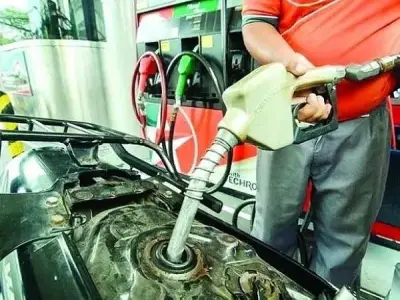
The Department of Social Welfare and Development (DSWD) has announced the commencement of a P5,000 aid distribution for public transport drivers, a move triggered by the relentless surge in oil prices stemming from ongoing turmoil in the Middle East. Under the Assistance to Individuals in Crisis Situation (AICS) program, the initiative will launch next Tuesday, with Metro Manila as the starting point before expanding to other regions nationwide.
Presidential Directive and Funding Mechanism
This intervention was mandated by President Ferdinand Marcos Jr. in response to the severe hardships confronting the transportation sector. A substantial P30 billion has been earmarked as a standby fund from the total P60 billion AICS budget, underscoring the government's preparedness for a potentially prolonged crisis. The aid extends to tricycle drivers, Transport Network Vehicle Service (TNVS) operators, and even fishermen, broadening its impact across vulnerable groups.
Scrutinizing the Aid's Sufficiency and Implementation
While this financial support is a welcome relief, it inevitably raises critical questions about its adequacy. The P5,000 amount can significantly assist with a few days' worth of family necessities and food, yet it functions merely as a temporary band-aid solution for a deeper economic wound. With oil prices continuously climbing, this sum could swiftly be depleted refueling gas tanks, highlighting its transient nature.

Secretary Rex Gatchalian's assertion that "mayors are prepared" must translate into concrete action, ensuring that aid reaches those genuinely in need rather than those with preferential access. Public transparency is also crucial, emphasizing that this assistance derives from taxpayer funds. Consequently, prudent utilization by drivers and diligent management by officials are paramount to its effectiveness.
Call for Long-Term Economic Solutions
As drivers in Metro Manila and other regions await their P5,000, the government must look beyond immediate relief toward more sustainable resolutions. While aid can alleviate distress briefly, robust policies in energy and transportation are essential to genuinely rescue drivers from ongoing difficulties. The assistance serves as a vital gift, but a fair and resilient economic system represents the true legacy for lasting stability.