Amid ongoing global oil price volatility, a prominent economist is urging businesses and investors to shift their focus from fuel costs to the Philippines' substantial foreign exchange reserves as the primary gauge of economic resilience. Economist Ronilo Balbieran emphasized during SunStar Cebu's Beyond the Headlines program on Wednesday, April 8, 2026, that the nation's vulnerability to external shocks hinges more on its capacity to sustain imports through adequate dollar reserves than on fluctuating commodity prices.
Robust Reserve Position Exceeds Safety Benchmarks
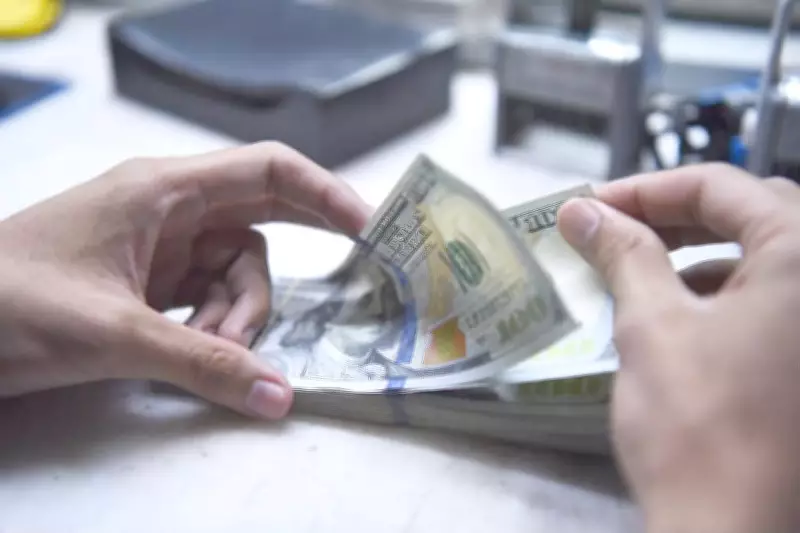
The Philippines currently maintains an impressive gross international reserve position ranging between $100 billion and $110 billion. This substantial financial cushion translates to approximately seven to ten months of import cover, significantly surpassing the widely recognized three-month minimum safety threshold for economies. Such a robust reserve level provides a formidable buffer against external economic pressures, enabling the country to continue financing essential imports including fuel, raw materials, and capital goods even during periods of elevated global prices.
"The fundamental question facing our economy is not how high oil prices might climb, but whether we possess sufficient dollar reserves to maintain our import requirements," Balbieran stated during the program. "Historical data demonstrates that oil price spikes alone have not triggered negative economic growth in the Philippines, reinforcing that external liquidity represents the more decisive factor in economic stability."

Implications for Currency Stability and Investor Confidence
The strength of the Philippines' dollar reserves carries direct consequences for peso stability, borrowing costs, and overall market confidence. Adequate reserves help stabilize the national currency by ensuring sufficient foreign currency supply, thereby reducing the risk of sharp depreciation during global uncertainties. This currency stability supports more predictable import costs and protects corporate profit margins across various sectors.
Furthermore, reserve levels significantly influence sovereign credit ratings, as stronger external buffers signal a country's ability to meet its international obligations. This perception can potentially maintain lower borrowing costs for both government entities and private sector organizations. "A nation with substantial reserves is viewed as more economically resilient, which proves critical for maintaining positive investor sentiment," Balbieran explained.
OFW Remittances Sustain Reserve Strength
The country's robust reserve position receives substantial support from steady inflows of foreign currency, particularly from overseas Filipino workers whose remittances continue to bolster external accounts. These consistent dollar inflows provide a reliable stream of foreign currency that helps offset import payments and maintain liquidity within the financial system, creating a virtuous cycle that reinforces economic stability.
Potential Risks and Economic Vulnerabilities
Despite the current substantial buffer, economists caution that risks could emerge if reserves experience significant decline or if external shocks persist over extended periods. A sharp reduction in reserves could potentially limit the country's ability to finance essential imports, disrupt production processes reliant on foreign inputs, and exert pressure on the peso's valuation.
"The genuine economic vulnerability materializes when reserves fall below safe operational levels," Balbieran noted, adding that such scenarios have historically coincided with broader economic stress and contraction. The economist emphasized that while fuel prices remain a visible and immediate concern for businesses and consumers, a more comprehensive perspective is necessary to accurately assess the nation's economic health.
"Oil prices primarily affect operational costs in the short term," Balbieran concluded. "But our reserve position fundamentally determines whether the economy can withstand prolonged external shocks and maintain sustainable growth trajectories. As long as reserves remain strong, the Philippine economy possesses the capacity to absorb shocks without slipping into contraction."