Government Rolls Out PHP10 Per Liter Fuel Subsidy for Public Transport to Combat Rising Costs
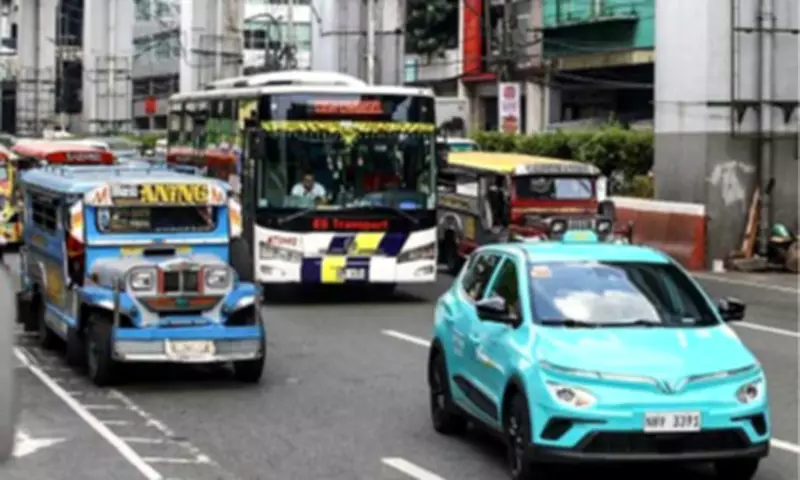
In a significant move to address the economic strain caused by escalating oil prices, the Philippine government has announced a targeted fuel subsidy program for public utility vehicles (PUVs). President Ferdinand R. Marcos Jr. revealed on Thursday that the initiative will provide a subsidy of PHP10 per liter of fuel for up to three months, aiming to cushion the impact on both transport operators and consumers.
Subsidy Details and Implementation Plan
The subsidy is designed to cover up to 150 liters per week per vehicle, offering substantial relief to drivers facing mounting expenses. According to President Marcos, the program will be launched initially in Metro Manila, with operations set to begin next week along Commonwealth Avenue. This pilot phase will serve as a testing ground before the subsidy expands to other major thoroughfares, including Quezon Avenue, España Boulevard, Zapote Road, E. Bonifacio Avenue, Rizal Avenue, and Marcos Highway.
To ensure transparency and prevent misuse, the Department of Energy will oversee the distribution through accredited gasoline stations. This monitoring system is intended to guarantee that the benefits reach the intended recipients efficiently and without exploitation.

Broader Economic and Social Implications
President Marcos emphasized that the subsidy extends beyond merely reducing transport costs. "This is important because we are not only addressing transport costs. We are also preventing increases in the prices of food and other essential goods," he stated in a video message. By stabilizing fuel expenses for PUVs, the government aims to curb inflationary pressures that could ripple through the economy, affecting everything from grocery bills to household budgets.
The measure is part of a comprehensive response to a national energy emergency, triggered by global oil price surges due to supply route disruptions, including tensions in the Strait of Hormuz. These international factors have exacerbated local challenges, prompting urgent governmental action.
Context and Previous Measures
This new subsidy builds on earlier efforts to alleviate the burden of high fuel prices. The government previously implemented a fuel cash subsidy program and is currently exploring potential adjustments to fuel excise taxes as additional strategies to lower pump prices. These combined approaches reflect a multi-faceted strategy to protect both transport workers and the general public from the adverse effects of volatile energy markets.
As the program rolls out, stakeholders will be closely watching its effectiveness in mitigating economic hardships and stabilizing essential commodity prices across the Philippines.