Cuba's National Electric Grid Collapses, Triggering Widespread Blackout Affecting 10 Million
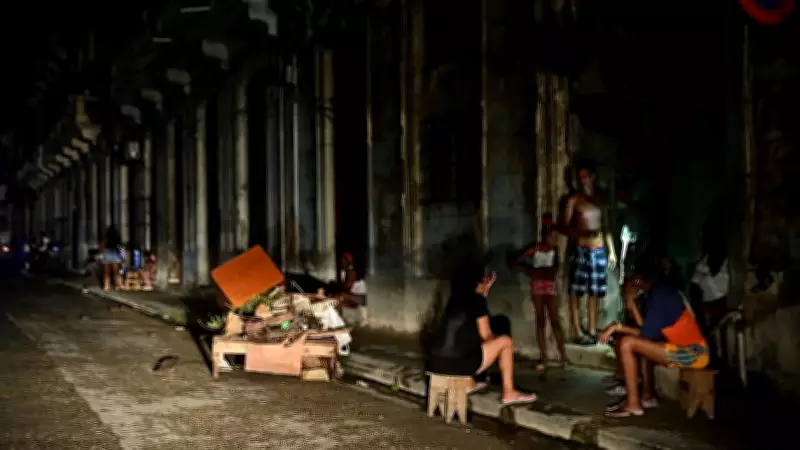
Authorities in Cuba have reported a catastrophic failure of the national electric grid on Monday, plunging nearly 10 million residents across the island into darkness. This incident occurs amidst a severe oil blockade imposed by the United States, which has critically undermined the nation's power generation capabilities. Investigations are currently underway to determine the precise cause of the grid collapse, following a series of prolonged outages that have persisted for several days.
Root Causes and Transmission Issues Under Scrutiny
The Cuban government has indicated that initial assessments do not point to a major power plant malfunction as the primary culprit. Instead, officials suspect that transmission problems may be responsible for the widespread disruption. This theory is being explored as part of a broader inquiry into the recurring energy failures that have plagued the country.
Impact of US Oil Blockade on Fuel Imports
The oil blockade enforced by the United States has had devastating consequences for Cuba's energy sector, severely restricting fuel imports for months. This situation worsened after the imprisonment of Venezuelan President Nicolás Maduro, a key ally who previously supported Cuba with oil supplies. Currently, Cuba relies on limited fuel deliveries from Mexico and Jamaica to sustain its operations throughout the year.

Gradual Restoration Efforts and Ongoing Challenges
While efforts are slowly underway to restore electricity to some smaller areas, significant hurdles remain in reactivating the entire grid and ensuring a stable power supply. The gradual hook-up process highlights the immense technical and logistical challenges facing Cuban authorities as they work to mitigate the crisis.
Long-Term Concerns and Societal Disruptions
Many Cubans are expressing deep concern over the long-term effects of this energy crisis, as the nation regularly experiences blackouts that disrupt daily life. Reports indicate that numerous residents and businesses are seeking alternative methods to power essential services, including hospitals and commercial operations, which have been severely impacted by the widespread outage.
Escalating Energy Crisis and Public Service Shortages
As a result, Cuba is confronting an intensifying energy crisis that has exacerbated shortages in electricity, water, and other public services. This situation underscores the broader vulnerabilities in the country's infrastructure and the urgent need for sustainable solutions to address ongoing energy instability.