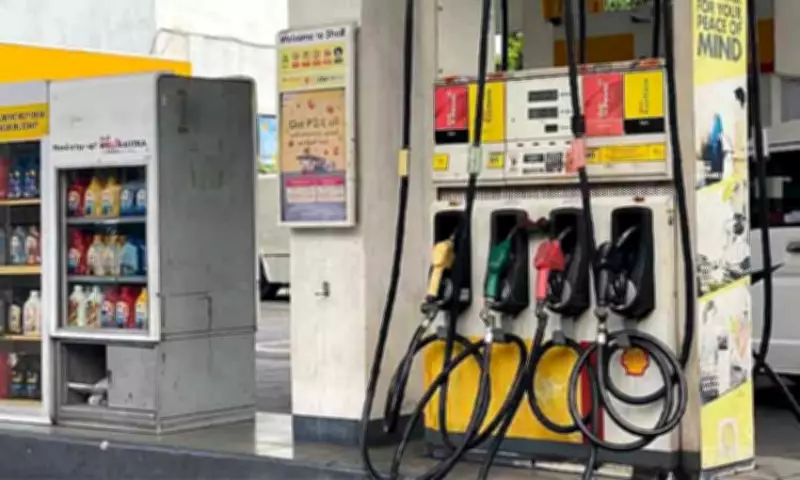
Multiple gasoline stations across Davao Oriental, particularly in downtown areas, have begun implementing continuous pump price increases following the latest fuel hike that took effect on March 17, 2026. The provincial government has released its most recent fuel monitoring report, documenting these price adjustments at 11 different gasoline stations throughout the region.
Monitoring Reveals Price Increases Within Acceptable Range
Data collected by the Davao Oriental Police Provincial Office (DOPPO) on April 10, 2026, confirms that several fuel retailers in the province have adjusted their prices upward. Despite these increases, authorities have emphasized that all recorded prices remain within the government's acceptable range, alleviating concerns about potential overpricing practices.
The monitoring initiative represents part of the provincial government's intensified efforts to track fuel movements and protect consumers amid ongoing global oil market fluctuations. Officials clarified that while price increases have been documented, there is currently no evidence of irregular pricing practices among the affected stations.

Temporary Closures and Continuous Oversight
Simultaneously, two fuel stations in the province remain temporarily closed, though authorities report no immediate disruption to local fuel supply. Local officials confirmed that continuous monitoring is being conducted under the Provincial Price Coordinating Council (PPCC), in accordance with Executive Order No. 22, series of 2026.
This executive order strengthens oversight on essential commodities, including petroleum products, and the provincial government has underscored its commitment to regular inspections and coordination with industry players to ensure compliance and maintain market stability.
National Energy Outlook Remains Stable
At the national level, the Department of Energy (DOE) has recently reaffirmed that fuel supply across the Philippines remains stable, despite global geopolitical tensions continuing to influence international oil markets.
During a press briefing on April 10, Energy Secretary Sharon Garin announced that the government, through the Philippine National Oil Company, is diversifying its fuel sourcing strategy to reduce reliance on traditional suppliers in the Middle East.
"We are sourcing from many other countries here, not just from the Middle East... New stocks are arriving," Garin stated, noting that new fuel shipments from multiple sources are helping stabilize domestic supply and cushion the country from external market shocks.
Government Measures and Consumer Participation
The government's whole-of-government approach has contributed to preventing sharp increases in electricity rates despite volatility in global energy prices. Garin further reported a decline in fuel hoarding and profiteering activities, attributing this improvement to stricter monitoring and enforcement efforts.
She also called on consumers to participate in energy conservation initiatives, including weekly Earth Hour activities, emphasizing that reduced consumption plays a crucial role in strengthening national energy security.
According to the latest available data from the energy department, no supply shortages have been reported nationwide, and inventory levels remain sufficient to meet current demand. However, officials continue to warn that pump prices may still fluctuate in the coming weeks depending on movements in the international oil market.
These fluctuations are particularly likely amid ongoing geopolitical developments and production adjustments among major oil-producing countries, highlighting the interconnected nature of global energy markets and local fuel pricing.