DOE and DICT Launch E-Complaint Platform for Fuel Pricing Violations
The Department of Energy (DOE), in collaboration with the Department of Information and Communications Technology (DICT), has officially launched an electronic complaint platform designed for the public to report gas stations that violate fuel pricing rules or experience fuel shortages. This initiative comes in response to escalating tensions in the Middle East, which have raised concerns about potential disruptions in the oil supply chain.
How to Submit Complaints
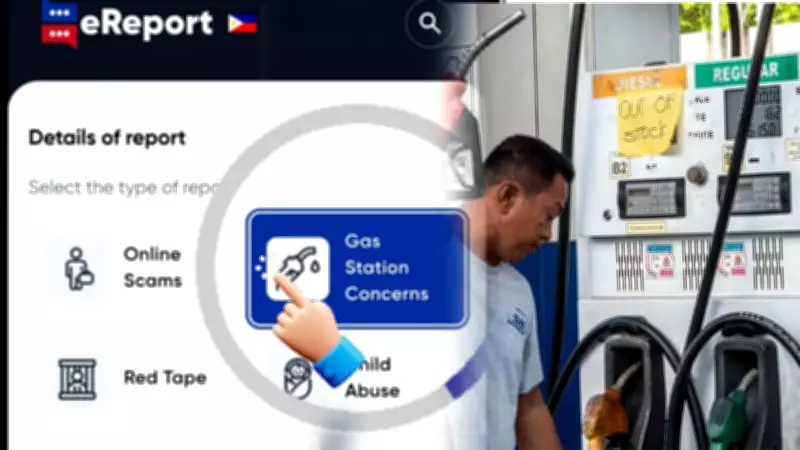
According to the DOE, individuals can submit complaints through the eReport tab available on the eGov app. Users are required to select the "Gas Station Concerns" option, fill in the necessary details, and specify whether the issue is current or has been experienced in the past. The platform aims to streamline the reporting process, making it more accessible for citizens to voice their concerns.
Reportable Issues
The platform allows users to report a variety of issues related to fuel stations, including:

- Panic buying or long queues at gas stations
- Fuel hoarding or excessive purchasing of petroleum products
- Non-compliance with fuel pricing, such as rapid and large-scale price increases within a week
- Unauthorized price hikes or violations of pricing regulations
- Refusal to sell gasoline or other petroleum products
- Fuel shortages or limited to no availability of products at stations
Collaboration with Other Agencies
The DOE has emphasized its collaboration with the Department of the Interior and Local Government (DILG) and the Philippine National Police (PNP) to strengthen monitoring efforts against possible hoarding and profiteering. This multi-agency approach is intended to ensure swift action on reported violations and maintain market stability.
Initial Reports and Evidence
The agency has already received initial reports and evidence of possible irregularities in some parts of Luzon and Mindanao. These early submissions highlight the urgency of the situation and the need for robust monitoring mechanisms to prevent exploitation during times of crisis.
Impact of Middle East Tensions
This move is closely linked to the closure of the Strait of Hormuz, a critical global shipping corridor between Iran and Oman, due to regional unrest involving the United States, Israel, and Iran. The strait is considered one of the world's most important oil export routes, connecting major Gulf oil producers to the Gulf of Oman and Arabian Sea. Any disruption in this area can have significant repercussions on global oil prices and supply.
Fuel Price Guidelines
Previously, the DOE stated that pump prices from March 6 to March 9 should not exceed the following ranges:
- Gasoline (RON 97/100): P53.70 – P76.50 per liter
- Gasoline (RON 95): P50.00 – P71.04 per liter
- Gasoline (RON 91): P49.00 – P64.70 per liter
- Diesel: P49.00 – P66.59 per liter
- Diesel Plus: P56.80 – P74.81 per liter
- Kerosene: P78.90 – P99.89 per liter
These guidelines are part of efforts to curb excessive pricing and protect consumers from unfair practices during periods of market volatility.