In the coastal town of Cordova, Philippines, the relentless surge in fuel prices is casting a long shadow over local livelihoods, particularly for those dependent on the sea. Jamlo Villaber, a 52-year-old fisherman, embodies this growing economic strain as he navigates the choppy waters of survival.
A Fisherman's Daily Struggle
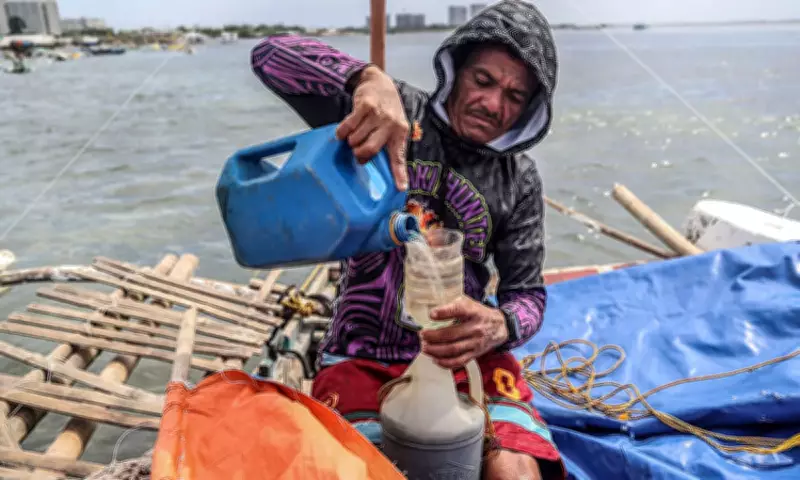
Jamlo makes two trips to the sea each day to harvest swaki, a type of shellfish, but his expenses have skyrocketed. Previously, he spent around P400 on gasoline for his boat; now, that cost has ballooned to P700 per day. Before heading out to the waters near Pandanon Island, he must first purchase fuel using his five-liter container, a routine that has become increasingly burdensome.
On a good day, Jamlo manages to catch four to five buckets of swaki, which he sells for P150 per bucket. This translates to earnings of roughly P750, barely covering his fuel costs and leaving little for his family, which includes four children, one of whom is a 13-year-old still in school. The thin margin between income and expenditure highlights the precarious nature of small-scale fishing in today's economy.

Tourism Sector Feels the Pinch
The impact of rising fuel prices extends beyond fishing to Cordova's vibrant tourism industry. Operators at the Cordova ro-ro port area, who offer island-hopping tours, report significant cuts to their profits despite attracting thousands of tourists on weekends. These excursions charge between P3,000 and P5,000 per trip, but operational costs have surged.
Previously, fuel expenses for a single trip averaged P600, but they have now climbed to P800 to P1,000. Additionally, operators must pay boat captains P800 for regular vessels and P1,000 to P1,500 for premium boats. This squeeze on margins has prompted calls for regulatory intervention.
Awaiting Official Relief
Mark Ramas Ramirez, a boat operator, explained that they are currently awaiting approval from the Maritime Industry Authority (Marina) for a fare increase. He noted that if fuel prices in Cordova reach P90 per liter or higher, operators will be compelled to formally request a fare adjustment from Marina to sustain their businesses.
This situation underscores a broader challenge in the Philippines, where communities reliant on marine resources and tourism grapple with inflationary pressures. As fuel costs continue to climb, the need for adaptive policies and support mechanisms becomes ever more urgent to safeguard these vital economic sectors.