The Philippine economy is confronting a significant challenge as escalating global fuel prices exert pressure on two critical national systems: maritime transport and electricity generation. With the nation sourcing approximately 98 percent of its crude oil from the Middle East, regional tensions are triggering a domino effect of price increases that could impact every Filipino household in the coming months.
Maritime Transport Sector Under Strain
The shipping industry, which serves as the backbone of the Philippine economy by moving essential goods and passengers across the archipelago, is grappling with an unusual financial dilemma. On Wednesday, March 11, 2026, the Philippine Coastwise Shipping Association Inc. (PCSA) alerted Energy Secretary Sharon S. Garin to a concerning trend.
The association, representing 50 shipowners and 800 vessels, reported that marine fuel prices have become unusually high, even exceeding the rates charged at local gasoline stations. Typically, shipping companies benefit from bulk purchases at depots, which should make fuel five to ten percent cheaper than retail pump prices. When wholesale costs surpass retail prices, it creates a severe operational challenge for maritime businesses.

"As an archipelagic nation, maritime transport remains the backbone of our economy and is the primary means of moving essential commodities and passengers across the islands," the PCSA emphasized in its communication.
Potential Consequences for Consumers
The association warned that sustained high costs could force shipping companies to increase fares for passengers and cargo rates. More alarmingly, some operators might reduce service frequency or cease operations entirely, potentially disrupting the supply chain for food and other vital products across the nation's islands. The PCSA has formally requested the Department of Energy to investigate these pricing anomalies to maintain affordable and reliable shipping services.
Electricity Rates Set to Climb in Cebu
While the shipping industry contends with fuel challenges, electricity consumers in Cebu are preparing for their own financial strain. As summer approaches and power demand increases, utility providers are forecasting higher energy bills across the region.
Visayan Electric, which supplies power to Metro Cebu, has cautioned that electricity rates will rise due to increased costs for imported coal and oil used in generation. Energy Secretary Garin recently highlighted that issues with natural gas deliveries from Qatar could drive electricity costs up by as much as 16 percent by April 2026.
Current Rate Increases and Infrastructure Challenges
The Cebu Electric Cooperative (Cebeco) 3 reported that its residential rate for March 2026 has already reached P10.78 per kilowatt-hour, marking a P0.49 increase. This hike is largely attributed to necessary power purchases from the Wholesale Electricity Spot Market (WESM), where prices are currently elevated.
Advocacy groups like the Cebu Electricity Rights Advocates (Cera) have noted that Cebu's power rates already exceed those in other major cities such as Davao and Iloilo. This disparity is exacerbated by the region's struggle to meet growing electricity demand while managing aging power distribution infrastructure.
Government Response and Broader Implications
This situation underscores the vulnerability of the Philippines' power and shipping networks to global events. International conflicts don't merely affect oil markets—they directly influence the cost of transporting goods domestically and the price households pay for electricity.
The government has initiated measures to address these challenges. The Department of Energy is investigating marine fuel pricing to prevent further shipping disruptions, while the Department of Trade and Industry is monitoring how these costs might affect prices of basic goods in retail markets.
Although current electricity supply meets demand, utility leaders are urging conservation efforts as summer approaches. These developments highlight the interconnectedness of daily life with the global economy and emphasize the importance of building resilient systems for future stability.

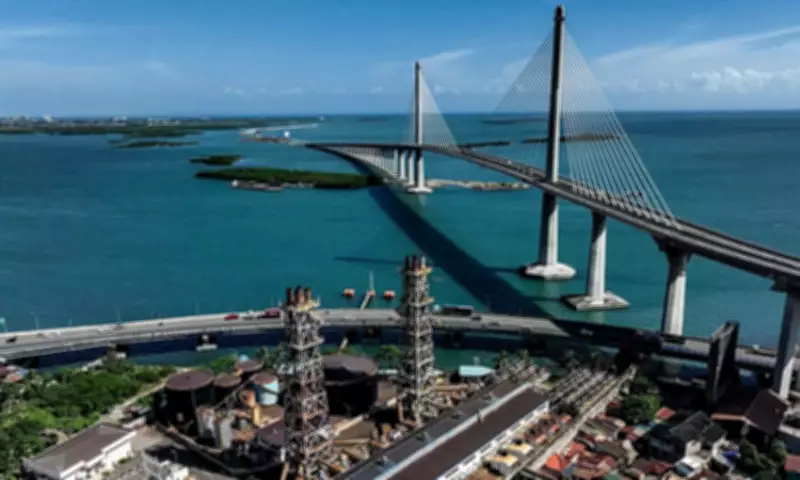
The visual reminder of this infrastructure—a Visayan Electric substation in Barangay Ermita, Cebu City's Carbon area, which powers commercial districts including Carbon, Magallanes, Pasil, and Colon Street—stands as a symbol of the systems now under economic pressure.