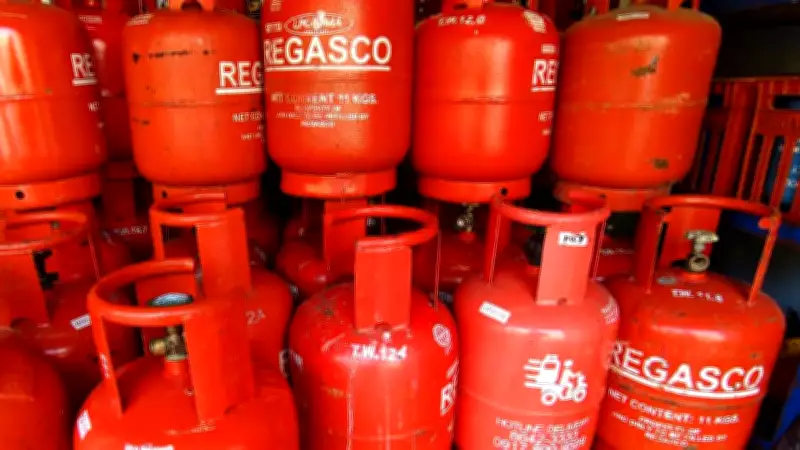
The LPG Marketers Association issued a stern warning this Tuesday, cautioning retailers across the Philippines against selling 11-kilogram LPG tanks at prices exceeding the suggested retail price (SRP). According to the association, any tank priced above P1,500 in Luzon or P1,600 in Visayas and Mindanao is considered overpriced, with consumers advised to report such cases to local barangay officials and the police.
Current and Projected Price Increases
Arnel Ty, founder of the association, stated that the current SRP ranges from P1,350 to P1,400 per tank. However, due to escalating shipping costs caused by limited access to the Strait of Hormuz, prices are expected to rise significantly. In Luzon, the SRP is projected to increase to P1,450 to P1,500 per tank next week, while in Visayas and Mindanao, it may surge by an additional P100 to P250 per tank.
Legal Recourse for Consumers
The group emphasized that any LPG tank reaching P1,600 is deemed overpriced and actionable under an existing memorandum of agreement between the Department of Energy (DOE) and the Philippine National Police (PNP). Consumers are encouraged to file complaints with their local barangay and police authorities to address these violations.

Opposition to Price Caps
In a related development, the LPG Marketers Association advised the government against implementing a price cap on LPG. They argued that such a measure could lead to supply shortages, citing examples from India and Vietnam where similar policies resulted in long queues and forced private sectors to halt imports.
Political Context and Senatorial Input
This warning comes amid political discussions on price controls. Last week, Senator Sherwin Gatchalian suggested that the DOE and Department of Trade and Industry consider a price cap on LPG due to the ongoing Middle East crisis. The association's stance highlights the tension between regulatory measures and market dynamics in the energy sector.
The situation underscores the broader impact of global geopolitical tensions on local economies, with the Strait of Hormuz access issues directly influencing Philippine consumer prices. As the April price adjustments loom, both consumers and retailers are urged to stay informed and compliant with SRP guidelines to avoid legal repercussions and ensure market stability.