Philippines Secures 51-Day Oil Buffer as Government Accelerates Supply Measures
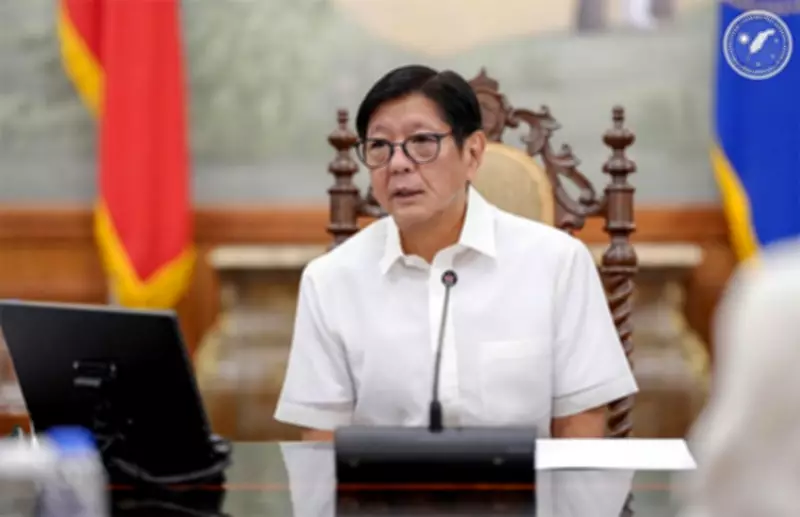
In a recent video message, President Ferdinand Marcos Jr. revealed that the Philippines currently holds a 51-day reserve buffer of oil supply. This announcement comes as the government intensifies efforts to bolster fuel stocks amidst ongoing turmoil in the Middle East.
The President disclosed that the Philippine National Oil Company-Exploration Corp. (PNOC-EC) has successfully placed an order for 1.04 million barrels of crude oil, specifically diesel. Of this total, 142,000 barrels have already been delivered this week, with the remaining shipments expected to arrive throughout April.
Financial and Legislative Actions to Strengthen Energy Security
To further enhance the nation's energy resilience, President Marcos highlighted that the Department of Budget and Management (DBM) has released an additional P20 billion. This funding is earmarked for purchasing up to two million more barrels of oil, which would extend the buffer supply by an extra 10 days.

Marcos reassured the public that the country's crude oil supply is sufficient to last until June 30. He emphasized the government's proactive stance in addressing potential shortages due to geopolitical tensions.
Executive and Legislative Measures to Stabilize Energy Markets
The President cited Executive Order No. 110, which empowers the Department of Energy (DOE), PNOC, and PNOC-EC to expedite oil procurement processes. Additionally, he signed Republic Act No. 12316 on March 25, authorizing the temporary suspension of excise taxes on oil if deemed necessary.
Marcos noted that the Development Budget Coordination Committee (DBCC) is scheduled to convene this week to evaluate the potential implementation of this tax suspension. Under EO 110, the DOE can also recommend actions to the Energy Regulatory Commission (ERC) concerning the Wholesale Electricity Spot Market (WESM) to help stabilize electricity prices.
Immediate Steps to Control Electricity Costs
"Starting March 26, the ERC has temporarily suspended the WESM. This means that optimal dispatch of cheaper energy sources, such as renewables, will be implemented," Marcos explained.
He added, "The government will also gain control over pricing in the WESM. The ERC is currently working on these adjustments."
Long-Term Energy Security Initiatives
For long-term energy security, President Marcos pointed to the successful drilling and testing of the Camago-3 gas well. This project is anticipated to produce up to 60 million cubic feet of gas per day, contributing significantly to the nation's energy independence.
Marcos affirmed that the government remains prepared to respond effectively to any oil crisis stemming from Middle East tensions, ensuring continuous efforts to safeguard the Philippines' energy supply.