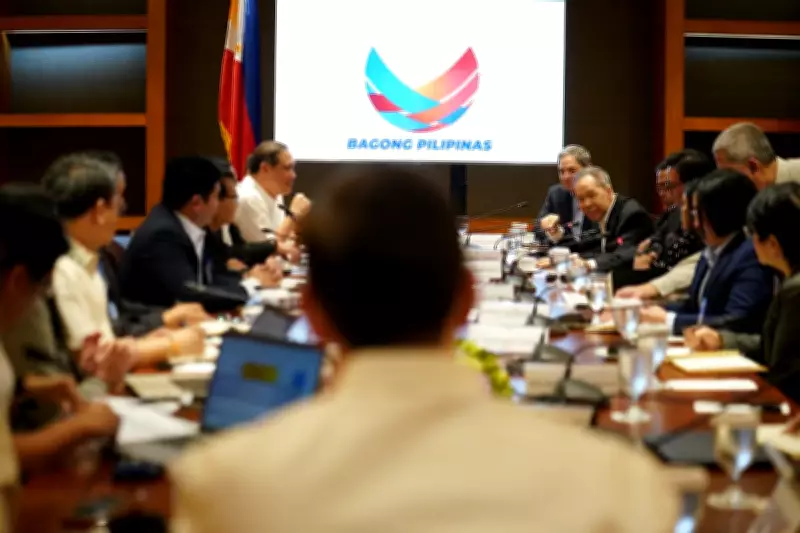
In a decisive move to address mounting concerns over fuel availability and affordability, top oil executives were summoned to Malacañang Palace on March 12 for what officials described as a "productive meeting." The gathering, led by Executive Secretary Ralph G. Recto and Energy Secretary Sharon Garin, aimed to solidify strategies for maintaining a steady flow of petroleum products while protecting consumers from potential profiteering by unscrupulous retailers.
Focus on Stability Amid Global Volatility
Recto emphasized that the discussions centered on ensuring both supply and price stability in the face of significant market fluctuations. "The meeting focused on supply and prices, on how to keep both stable, amidst the volatility we are seeing," he stated. This initiative aligns directly with President Ferdinand Marcos Jr.'s directive to shield the public from the adverse effects of surging oil prices, which have been exacerbated by geopolitical tensions and economic uncertainties.
Multi-Front Approach to Crisis Management
The government has been tackling the energy crisis through a comprehensive approach, including an energy conservation campaign and targeted subsidies for transport groups. However, Recto highlighted the President's boldest action to date: certifying as urgent a bill that would authorize the suspension or reduction of excise taxes on petroleum products during economic emergencies. "The President wants the bill on his desk immediately so he can sign it," Recto declared, underscoring the administration's commitment to swift legislative action to mitigate financial strain on citizens.

Addressing Supply Chain Disruptions
A critical issue raised during the meeting was the need to proactively manage supply chain disruptions, which Recto described as "very, very dynamic" in nature. Fortunately, oil companies provided assurances that operational challenges in delivering products are manageable. Recto noted that contingency plans are already being explored, per the President's instructions, should conflicts in key regions further constrict oil supplies. "This is the kind of oil diplomacy that oil executives and the government will have to jointly undertake," he added, stressing the importance of collaborative efforts in navigating the crisis.
Ensuring Fair Pricing Practices
Energy Secretary Sharon Garin issued a firm directive to oil companies, mandating that gas stations adjust prices accurately and transparently to reflect real market conditions. She made it clear that any premature, excessive, or unreasonable price increases would not be tolerated and would be met with strict enforcement measures. This stance aims to prevent exploitation and maintain consumer trust during turbulent times.
Unity in Crisis Response
Recto concluded by emphasizing the government's sincere belief in mobilizing all stakeholders to alleviate the burdens of the crisis. "Simple lang ang gusto ng Pangulo. Habang inaaksyunan natin ang krisis na ito, dapat magtulungan ang gobyerno at pribadong sektor para hindi gaanong maramdaman ng ating mga kababayan ang bigat nito," he said, translating to: "The President's desire is simple. While we address this crisis, the government and private sector must work together so our fellow citizens feel less of its weight." This collaborative spirit underscores the administration's holistic strategy to safeguard national interests and economic stability.