Energy Chief Clarifies Oil Price Drop Not Immediate Despite Safe Passage in Hormuz Strait
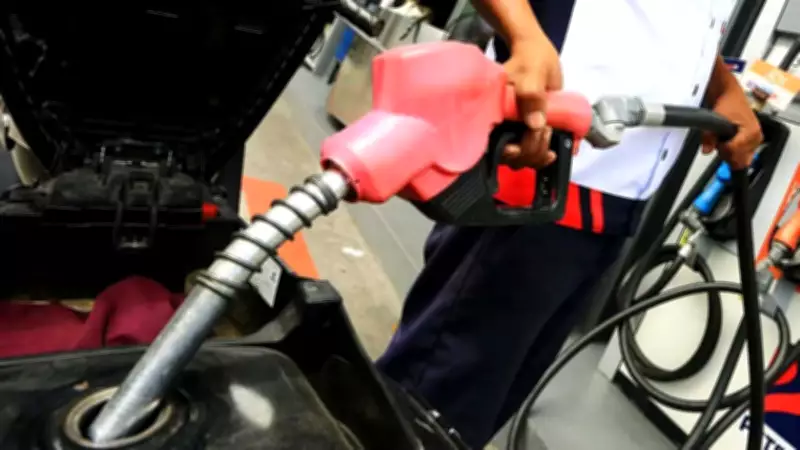
Department of Energy (DOE) Secretary Sharon Garin has clarified that the safe passage of Philippine-flagged vessels through the Strait of Hormuz will not lead to an immediate reduction in oil prices. This statement comes amid ongoing energy concerns in the Philippines, where the government is prioritizing stable fuel supply and cost management.
Explaining the Delay in Price Adjustments
Secretary Garin explained that while Iran's assurance of safe passage for ships with Filipino crews provides preferential access to critical oil supplies, it does not fully resolve all threats or eliminate delays in the global supply chain. She emphasized that most of the country's oil originates from regional hubs such as Singapore or Korea, but the crude oil, which is processed in refineries into petroleum products, must transit through the Strait of Hormuz.
Any disruptions or delays in this vital shipping route create a domino effect, impacting global oil supplies and potentially driving up prices. Therefore, even with improved security measures, the benefits may not be felt immediately in local markets.

Government Priorities Amid Energy Emergency
Despite these challenges, Secretary Garin reiterated that the government's primary focus remains on lowering oil prices and ensuring a continuous supply of fuel. This commitment is part of broader efforts to address the ongoing energy emergency in the Philippines, which has been exacerbated by global market fluctuations and geopolitical tensions.
Key points from her clarification include:
- Safe passage offers preferential access but does not erase all supply risks.
- Delays in the Hormuz Strait can significantly affect global oil availability.
- The government is actively working to mitigate price spikes and secure stable energy sources.
As the situation evolves, the DOE continues to monitor developments closely, aiming to balance immediate needs with long-term energy security strategies.