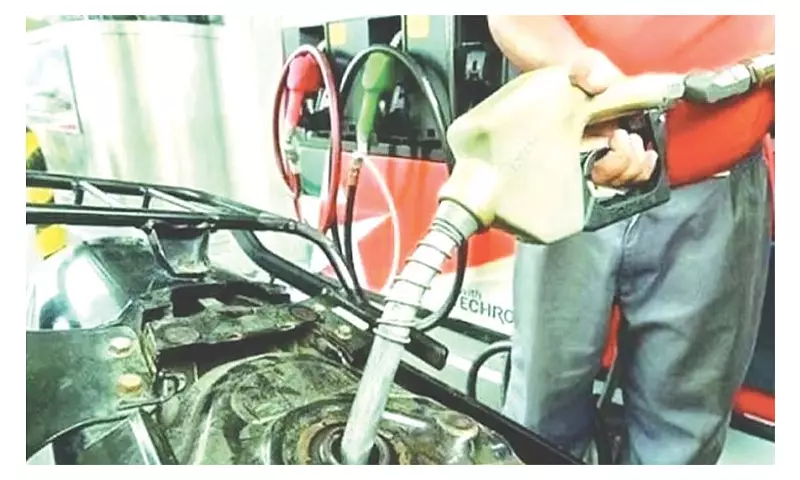
Filipino consumers must brace for another hit to their transportation and household budgets as oil companies announced a fresh round of fuel price increases effective this coming Saturday, January 13.
Specific Price Adjustments for Key Fuels
According to the latest industry advisories, the price adjustments will not be uniform across all fuel products. Gasoline prices are set to increase by P0.95 per liter. The hike for diesel will be more substantial, with an increase of P1.20 per liter. Meanwhile, the cost of kerosene, a vital commodity for many households, will also rise by P1.15 per liter.
These impending adjustments were confirmed by industry player Unioil Petroleum Philippines in a social media post directed at motorists. The company stated the new prices would take effect at 6:00 a.m. on January 13, 2024. This announcement follows the standard practice where oil firms in the Philippines make their moves based on the weekly movement of Mean of Platts Singapore (MOPS) prices, the benchmark for refined petroleum products in the region.

Context of Recent Fuel Price Trends
This week's price hike marks a reversal from the trend observed at the start of the new year. Just last Tuesday, January 9, oil companies implemented a minor rollback. During that adjustment, the price of gasoline was reduced by P0.10 per liter, diesel by P0.35 per liter, and kerosene by P0.40 per liter.
The volatile nature of global oil markets continues to directly impact local pump prices. Factors such as geopolitical tensions, production decisions by major oil-exporting nations, and global demand forecasts contribute to the weekly fluctuations. The Philippine market, being a net importer of crude oil and refined products, remains highly sensitive to these international movements.
Impact and Outlook for Consumers
The consecutive price movements—a rollback followed by a larger increase—highlight the ongoing financial pressure on sectors reliant on fuel. Public utility vehicle (PUV) drivers, transport operators, logistics companies, and private motorists will feel the immediate pinch of higher diesel and gasoline costs. The increase in kerosene prices will also affect households, especially in areas where it is used for lighting and cooking.
Analysts advise consumers to anticipate continued volatility in the coming weeks. While short-term factors can lead to occasional rollbacks, the overall market sentiment and seasonal demand can push prices upward. The Department of Energy (DOE) regularly monitors these changes and advises the public to practice energy-efficient habits, such as trip planning, proper vehicle maintenance, and using public transportation where possible, to mitigate the impact of rising fuel costs.
Motorists are encouraged to check with their local stations for the final implemented prices, as these may vary slightly by location and brand. The next round of oil price announcements is typically made every Monday or Tuesday, setting the trend for the following weekend's price changes.