Middle East Tensions Trigger Sharp Rise in Oil Prices, Affecting Daily Life in the Philippines
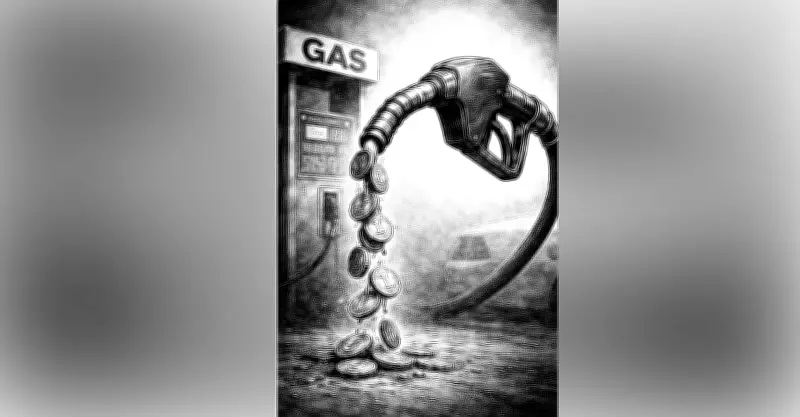
In yet another increase, global oil prices have surged due to ongoing tensions in the Middle East, directly impacting the daily lives of every Filipino. Fuel prices are set to rise by up to P1.90 per liter for gasoline, P1.20 for diesel, and P1.50 for kerosene, as conflicts in distant nations ripple through international markets.
Direct Economic Impact from Global Conflicts
The escalation of crude oil prices on the world market stems from wars among Middle Eastern countries. Although the Philippines is far from the conflict zones, it is not immune to the wave of effects. The Philippine economy heavily depends on imported oil, meaning every price movement abroad directly bites into the local market.
Transportation Sector and Inflation Hit Hardest
The transportation sector is the first to be hit, and the impact on inflation is unavoidable. When production and distribution costs increase, prices of all goods rise, while wages remain stagnant. Each family will suffer from higher prices for rice, electricity, and water, with these essentials being the first affected. Tensions in a far-off region can quickly translate into tensions within households.

Currency Weakness Compounds Economic Uncertainty
The weakening of the dollar against the peso adds to the uncertainty. In an economy reliant on imports, a weaker currency exacerbates the cost of purchasing supplies from abroad. The combination of expensive oil and a fragile currency forms a dangerous formula for an economic crisis.
Global Interconnectedness and Local Solutions
The Middle East tensions serve as a reminder that the world is an interconnected market. However, while we cannot control the turmoil abroad, we can strengthen our situation domestically. Measures such as providing subsidies, expanding assistance programs for the poor, and promoting alternative energy sources to reduce dependence on imported oil are crucial steps.
What effective methods might our government implement if, unfortunately, this turmoil persists and extends further? Proactive policies are essential to mitigate the ongoing economic strain and protect vulnerable populations from the cascading effects of global instability.