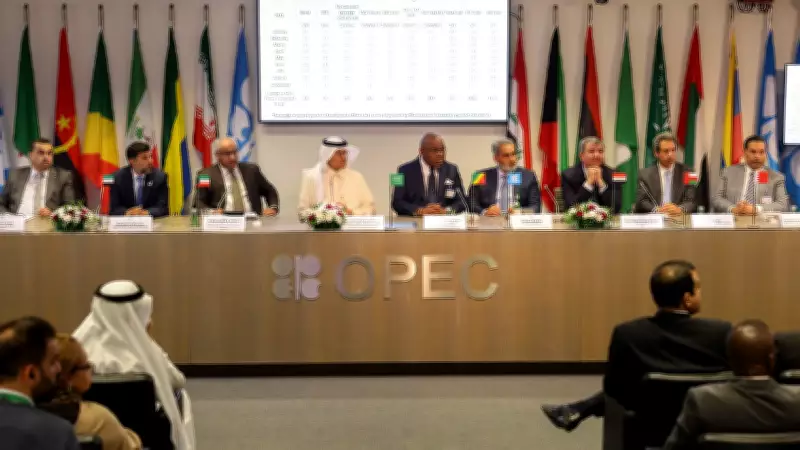
OPEC+ Reaches Agreement to Boost Oil Production Quotas
The Organization of the Petroleum Exporting Countries (OPEC+) has reached a consensus to increase quotas for oil production, a decision aimed at stabilizing global energy markets. This move comes in response to recent geopolitical tensions that have impacted key oil-producing nations.
Middle East Airstrikes Disrupt Energy Infrastructure
For the second consecutive month, Iranian airstrikes have targeted major OPEC+ countries, including leading oil producers such as Russia and Saudi Arabia, as well as several Gulf nations. These attacks have caused significant damage to critical energy facilities, raising concerns about prolonged and costly repairs.
The group has issued warnings that the destruction of energy infrastructure could lead to increased oil market volatility and potentially affect global supplies in the future. This underscores the fragile state of energy security in the region.

New Production Quotas Set for May Implementation
In light of these challenges, OPEC+ members have agreed to raise production quotas by 206,000 barrels per day, effective starting in May. This adjustment is intended to mitigate supply shortages and support market stability.
However, the organization emphasizes that protecting international maritime routes is crucial to ensuring uninterrupted energy flows. Any disruptions to these routes could further exacerbate supply issues and impact global economic stability.
Long-Term Implications for Global Energy Markets
The ongoing conflicts in the Middle East highlight the interconnected nature of global energy systems. OPEC+’s decision reflects a proactive approach to managing production levels amidst uncertainty, but the group cautions that:
- Repairs to damaged facilities may be time-consuming and expensive.
- Market volatility could persist if infrastructure issues are not resolved promptly.
- Global energy supplies remain vulnerable to geopolitical risks.
As the situation evolves, stakeholders will closely monitor how these factors influence oil prices and availability worldwide.