P200-B Malampaya Revenue Proposed for National Strategic Fuel Reserves
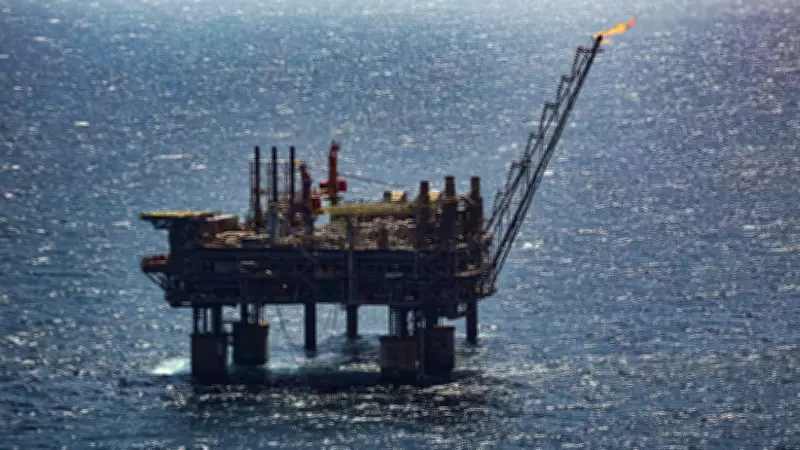
To protect the nation against fluctuating oil prices and sudden supply shortages, a proposal is now advancing in the House of Representatives to utilize billions of pesos in revenue from the Malampaya Deep Water Gas-to-Power Project for the construction of strategic fuel reserves.
Legislative Push for Energy Security
According to House Minority Leader Marcelino Libanan, the government should leverage the collected royalties from the project to fund the establishment of coastal petroleum storage facilities under the Philippine National Oil Company (PNOC). Based on the latest data from the Budget of Expenditures and Sources of Financing (BESF), government funds collected from Malampaya from 2014 to 2024 have reached ₱200 billion. This equates to an average annual revenue of ₱18.2 billion.
Future Revenue Growth and Strategic Allocation
Libanan explained that the inflow of funds into the national treasury is expected to increase further in the coming years following the successful drilling of two new gas wells at the facility. Since the collected royalties are allocated for energy development, the lawmaker emphasized that it is only appropriate to channel them into strengthening the Philippines' fuel storage capacity.

The proposed measure encompasses the storage of key petroleum products, including diesel, gasoline, and aviation fuel. Through this step, the lawmaker aims to ensure that the country has an adequate and ready supply in the event of an energy crisis or sudden price hikes in the global market.
Broader Implications for National Stability
This initiative highlights a proactive approach to mitigating economic risks associated with energy dependency. By investing in strategic reserves, the Philippines could reduce its vulnerability to international market shocks, thereby stabilizing domestic fuel prices and supporting key sectors like transportation and industry. The move underscores the critical role of Malampaya as a national asset, not just for power generation but also for long-term energy security planning.