Philippines' Oil Supply Extends to 64 Days Following New Procurement Orders
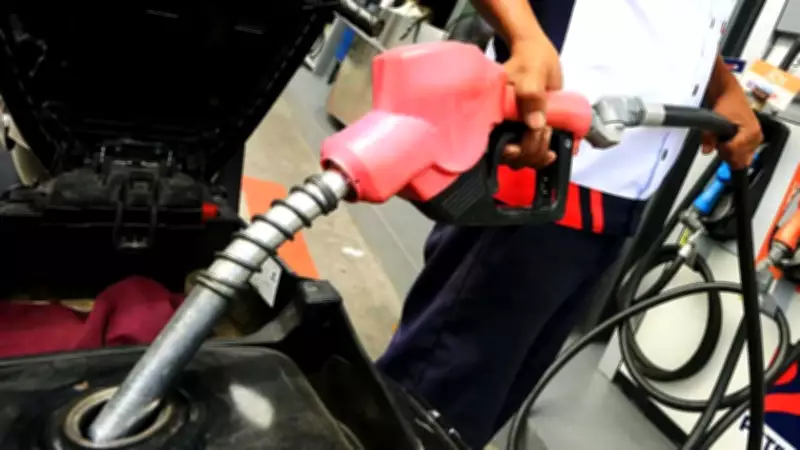
The Department of Energy (DOE) has reported a significant boost in the Philippines' national oil supply, now reaching up to 64 days of coverage. This marks an increase from the previous average of 50.31 days, attributed to newly secured orders that are guaranteed for delivery. Energy Secretary Sharon Garin highlighted this development, emphasizing the government's efforts to enhance energy stability amid ongoing global tensions.
Detailed Breakdown of Petroleum Product Supplies
According to DOE records, the supply levels for various petroleum products are as follows: gasoline leads with 54.38 days, diesel at 48.9 days, LPG (liquefied petroleum gas) at 36.27 days, kerosene at 104.73 days, jet fuel at 67.65 days, and fuel oil at 45.96 days. This diverse range reflects the country's strategic procurement across different fuel types to meet consumer and industrial demands.
Storage Constraints and Delivery Uncertainties
Despite the improved supply figures, Secretary Garin clarified that the Philippines faces limitations in storage capacity, preventing the accumulation of 90 to 120 days' worth of reserves. She noted that continuous consumption and restricted storage facilities pose challenges to long-term stockpiling. Additionally, the certainty of deliveries varies depending on the country of origin and the specific terms of supply contracts, which can impact the reliability of future shipments.

Assurances Amid Global Tensions
In light of ongoing tensions in the Middle East, a key region for oil exports, the DOE has reassured the public that the current supply remains sufficient to meet national needs. The department is actively pursuing additional oil acquisitions to mitigate potential disruptions and ensure a steady flow of energy resources. This proactive approach aims to safeguard against external shocks and maintain economic stability.
The DOE's announcement underscores the importance of strategic energy management in the Philippines, balancing immediate supply gains with long-term infrastructure and logistical considerations. As global energy markets remain volatile, such measures are crucial for sustaining the country's energy security and supporting its growing economy.