Philippines Assures Stable Fuel Supply Amid Middle East Conflict
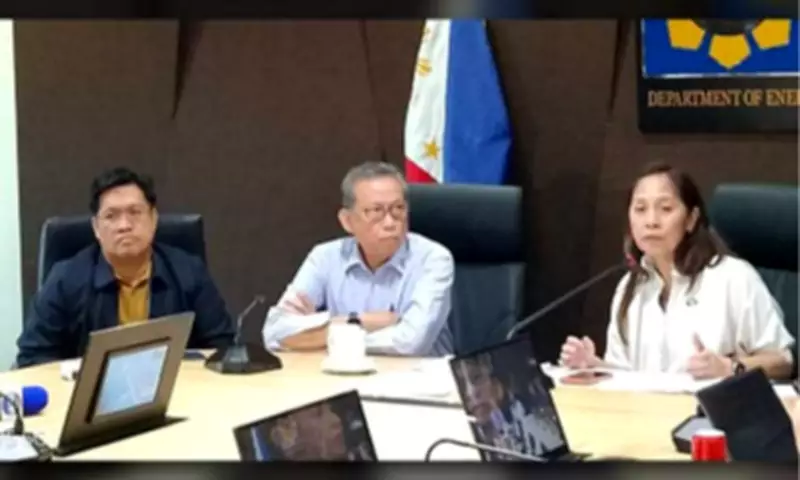
Energy Secretary Sharon Garin has publicly assured Filipinos that the country's domestic fuel supply remains adequate despite ongoing tensions in the Middle East. During a briefing at the Department of Energy (DOE) office in Taguig City on Tuesday, March 3, 2026, Garin emphasized that proactive measures are being implemented in collaboration with oil industry players to maintain a stable supply chain.
Substantial Fuel Reserves in Place
Garin highlighted that oil companies are currently compliant with the mandatory minimum of 15 days' supply reserve, confirming that "we have enough supply." She further revealed that these companies are not just meeting the baseline requirement but are holding three times the minimum reserve. This substantial buffer is designed to cushion the market against potential disruptions.
The Energy Secretary explained that while the DOE does not mandate a one-year supply reserve due to the prohibitive costs and storage logistics involved, the existing system allows for rapid replenishment. Orders from the Middle East typically take about a week to arrive, enabling companies to quickly increase their inventories as needed.

Global Price Volatility and Contingency Planning
Addressing recent fluctuations in global oil prices, Garin noted that the upticks were anticipated. Futures touched USD 80 per barrel on Monday before declining to around USD 79 on Tuesday. She cautioned against providing specific price projections due to the current high volatility in daily trading.
To navigate these uncertainties, the DOE has been actively engaging with oil firms. Officials held a meeting on Monday and scheduled another for Wednesday to develop and refine contingency plans. "We are hoping for the best but we are preparing for the worst," Garin stated, underscoring the government's proactive stance.
Dependence on Middle East Imports and Diversification Efforts
Garin disclosed that approximately 98 percent of the Philippines' crude oil supply is sourced from the Middle East, with the remaining 2 percent coming from Malaysia and Brunei Darussalam. The ongoing conflict has led to disruptions, particularly due to the closure of the strategic Strait of Hormuz, a critical maritime chokepoint for oil shipments.
In a post-briefing interview, DOE Director Rino Abad of the Oil Industry Management Bureau (OIMB) indicated that the department is already exploring alternative import sources. Through private oil companies, the Philippines is considering tapping into supplies from Africa, Canada, and other South American countries to reduce dependency on the Middle East.
Industry Experience and Price Adjustment Mechanisms
Director Abad pointed out that oil companies are accustomed to managing supply increases during conflicts, noting that the tensions between Iran and Israel are not a new phenomenon. "In fairness to the oil companies, they agreed to increase their supply before. So, we had already that experience... We'll just reinforce again that same kind of arrangement with the oil companies tomorrow," he explained.
Regarding domestic fuel prices, Abad mentioned that calculations for possible hikes next week will begin on Wednesday, with the final amount determined on Saturday after this week's trading concludes. He added that while each company will decide whether to implement standard increases in two or three phases, the DOE advocates for reasonable adjustments on a weekly basis to minimize consumer impact.
The briefing, attended by DOE Undersecretary Alessandro Sales and Director Rino Abad, reinforced the government's commitment to ensuring energy security. With robust reserves and strategic planning, the Philippines aims to weather the geopolitical storm without significant supply shortages.