Philippines Receives Major Diesel Shipment from Malaysia to Strengthen Fuel Supply
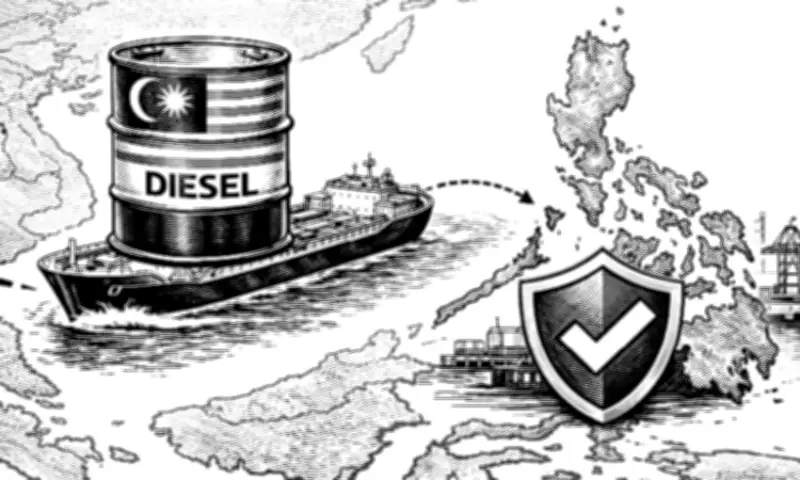
The arrival of 329,000 barrels of diesel from Malaysia demonstrates the government's active efforts to reinforce the nation's fuel supply. This strategic move, implemented under Executive Order No. 110 from the administration of President Ferdinand R. Marcos Jr., serves not only as a response to current conditions but also as a forward-looking preparation against potential supply shortages.
Vulnerability of a Net Importer Nation
As a net importer of petroleum products, the Philippines remains vulnerable to external global events. Reliance on imported diesel—even from reliable partners like Malaysia and Japan—means the local economy is susceptible to sudden price spikes or supply disruptions caused by geopolitical tensions. This dependency highlights the need for robust energy policies to mitigate risks.
Praise for Forward-Looking Energy Department Actions
The so-called "forward-looking" measures by the Department of Energy, led by Secretary Sharon Garin, deserve commendation, particularly in strengthening inventory and preventing distribution bottlenecks. However, a critical question arises: how long can this approach relying on emergency procurement continue? Increased imports represent only a temporary solution, not a long-term answer to persistent energy challenges.

Call for Stronger Energy Policies and Infrastructure
These import efforts must be supported by stronger policies focusing on energy diversification and local capacity development. Additionally, enhancing fuel storage infrastructure and strategic reserves could be a critical step to avoid sudden supply shortages. Building domestic resilience is essential for national energy security.
A Positive Sign But Not a Permanent Solution
Ultimately, the arrival of diesel from Malaysia serves as a positive indicator of current supply conditions. Yet it should not be complacently viewed as a permanent fix. The true measure of the energy sector's resilience is not found in the volume of imported oil, but in the nation's capacity to become more independent, robust, and prepared for any global crisis.