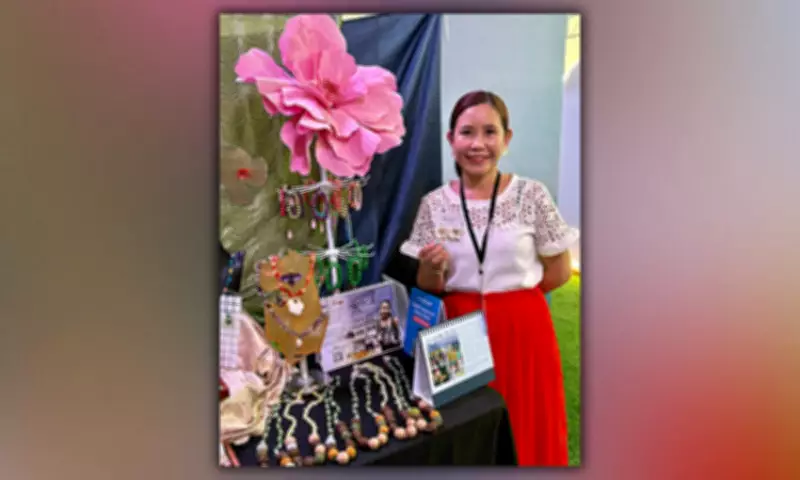
After more than a decade working in Dubai, Rambie Go returned to Cebu for good in 2019. Armed with a modest P15,000 in seed capital from an Overseas Workers Welfare Administration reintegration program for returning overseas Filipino workers, a box of beads, and a determination to rebuild, she established Rambie's Collection. The brand has since carved a niche in the local accessories market, driven largely by exposure and opportunities provided by trade fairs, government-backed expos, and most recently, a prestigious regional platform.
From Corporate Job Abroad to Uncertain Homecoming
Go spent more than 12 years in Dubai, working as an administrative and HR manager in a salon company alongside her husband. When the business faced an economic downturn, the couple decided to return to the Philippines for good. Coming home proved more challenging than expected. "When you return, it's hard — you don't know where to start, what work to look for," she recalled. To make ends meet, they turned to small, survival-driven ventures, selling pre-loved children's clothes through live selling online. When the pandemic hit in 2020, they continued with digital selling of kids' items and even ventured into food and beverage.
A Hobby That Became a Lifeline
In 2022, Go began exploring handmade crafts — initially as a hobby and a way to cope with the emotional toll of starting over. What started as a pastime soon became more meaningful. The creative process helped her navigate a period of depression, eventually transforming into a passion and, later, a business. By 2024, with support from programs of the Department of Migrant Workers, she began refining her craft and building a brand. Rambie's Collection was born, featuring handmade accessories crafted from raffia leaves, upcycled fabrics, semi-precious stones, gemstones, and mixed metals. Each piece reflects a blend of sustainability, Filipino craftsmanship, and personal resilience.

The Power of Exposure
According to Go, trade fairs became a turning point. "Exposure is everything," she said. "Even if there are no immediate orders, you meet buyers, partners, and people who help you understand the market." Through programs led by the Department of Trade and Industry and DMW, Go gained access to local and international exhibits, bringing her products to audiences in Italy, Singapore, and the United Arab Emirates. She said exhibits, big and small, gave her brand direct visibility among potential buyers, an invaluable opportunity rarely accessible to micro-entrepreneurs. Beyond potential sales, such platforms also provide credibility. Being part of curated showcases signals quality and opens doors to partnerships, distribution channels, and even export opportunities.
Building Ecosystems, Not Just Businesses
As Rambie's Collection grew, so did its impact. Go now collaborates with four to six local artisans and weavers, sourcing materials and co-creating designs. What began as a one-woman venture has evolved into a small but growing ecosystem supporting community livelihoods. This multiplier effect highlights the broader value of trade fairs: when MSMEs scale, they bring others with them. While domestic demand sustains many small businesses, international exposure offers the next level of growth. Buyers at trade fairs often look for unique, culturally rooted products, giving brands like Rambie's Collection a competitive edge. Connections formed during these events can lead to export deals, retail partnerships, and logistics support.
For Go, the journey from selling surplus clothes online to presenting handcrafted accessories before ASEAN delegates illustrates how access to the right platforms can transform a business trajectory. "I started small, just trying to survive," she said. "But with the right exposure and support, you realize your product can go further." Her inclusion in the ASEAN showcase in Cebu is proof that with the right platforms, even the smallest enterprises can step onto the regional stage — and compete.