Cebu City has implemented a significant adjustment to its traffic management plan by allowing both modern and traditional public utility jeepneys (PUJs) to utilize sections of the dedicated Cebu Bus Rapid Transit (CBRT) lanes. This decision comes in direct response to mounting complaints from motorists and passengers regarding severe traffic congestion observed after the system's initial rollout.
Mayor's Directive Leads to Immediate Implementation
The policy change was initiated by Cebu City Mayor Nestor Archival, who expressed openness to permitting certain public utility vehicles to access CBRT lanes, particularly along the stretch from Fuente Osmeña to the Cebu South Bus Terminal. The primary objective is to alleviate the worsening traffic conditions that have emerged since the BRT system began partial operations on March 13, 2026.
Cebu City Transportation Office (CCTO) head Raquel Arce confirmed that the directive was enforced immediately, with the order coming directly from Mayor Archival. In a Facebook Live session on Wednesday, March 18, 2026, Arce stated that the adjustment was implemented on the same day it was communicated, although traffic personnel initially faced challenges in executing the new rules.

Revised Traffic Rules for Jeepneys
Under the new setup, modern and traditional PUJs are no longer permitted to use the outermost lane. Instead, they are directed to pass through the inner lanes, including specific portions of the CBRT corridor. Arce emphasized that jeepneys must now adhere to stricter loading and unloading regulations similar to those governing the CBRT system.
The revised policy mandates that jeepneys can only pick up and drop off passengers at officially designated terminals. They are strictly prohibited from loading passengers along the road or at informal stops, including those located in the middle of the roadway. Arce issued a clear warning that drivers who fail to comply with these new rules will face apprehension.
Addressing Public Concerns and Transition Challenges
This adjustment represents a notable shift from the initial traffic scheme, which reserved CBRT lanes exclusively for bus operations. The move is a direct response to public clamor over deteriorating traffic conditions in areas surrounding CBRT stations since the system's launch.
Mayor Archival had previously acknowledged that traffic disruptions are anticipated during the transition period as new traffic patterns are introduced and evaluated. The CBRT system, designed to provide faster and more efficient public transport through dedicated lanes, is currently operating on a limited corridor, with some sections still sharing space with regular vehicular traffic.
Arce expressed gratitude in her social media caption, stating, "MPUJ and TPUJ makaagi na sa BRT Lane as approved sa DOTr Head office. Salamat Mayor Nestor Archival sa pagpaningkamot," which translates to "MPUJs and TPUJs are now allowed to pass through the BRT lane, as approved by the DOTr head office. Thank you, Mayor Nestor Archival, for your efforts."
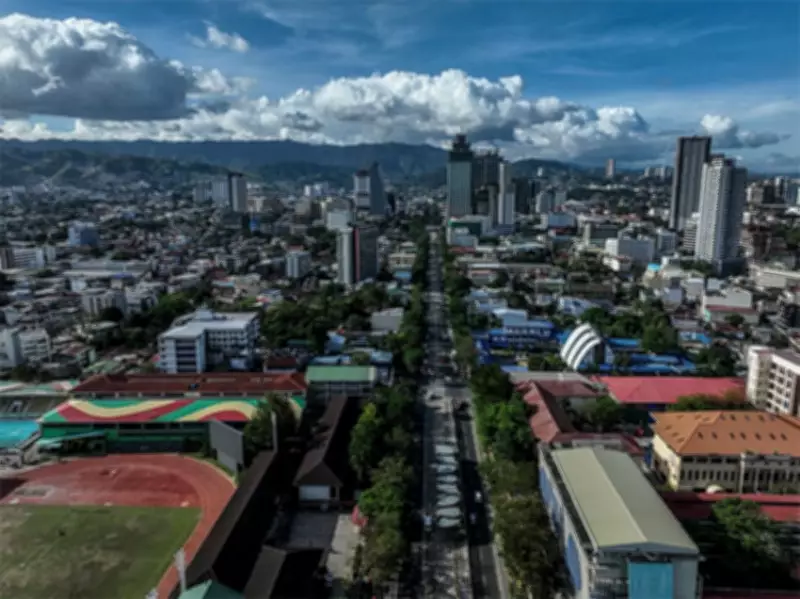
The aerial view of the CBRT terminals along N. Bacalso Avenue, from the Cebu Normal University Terminal to Fuente Osmeña Circle in Cebu City, captured on March 4, 2026, illustrates the infrastructure now being shared under this revised policy. This development highlights the city's adaptive approach to urban transportation challenges while balancing the needs of various public utility vehicle operators and commuters.