Cebu City's BRT System Finally Launches Amid Traffic Turmoil
After years of anticipation and repeated delays, Cebu City has officially inaugurated the first operational segment of the Philippines' pioneering Bus Rapid Transit (BRT) system. The momentous occasion, however, has been overshadowed by immediate traffic disruptions and broader economic anxieties linked to international conflicts.
A Long-Awaited Debut Met with Mixed Reactions
The announcement in February 2026 that Package 1 of the Cebu BRT project's initial phase would commence operations on Friday, March 13, was met with a collective sigh of relief from weary residents. For many, the sight of Cebu City Transportation Office (CCTO) personnel installing lane dividers along Osmeña Blvd. late on Thursday night was a surreal spectacle, akin to witnessing a rare species thought extinct. The project's history of postponements had conditioned the public to skepticism, making the actual commencement feel almost dreamlike.
The reality of launch day, however, was far from dreamy. The inaugural 2.38-kilometer stretch from the Cebu South Bus Terminal on N. Bacalso Ave. to the Capitol building on Osmeña Blvd. became an immediate epicenter of traffic mayhem. Commuters described scenes of bedlam, with traditional public utility jeepneys (PUJs) gridlocked under the blistering afternoon sun. Notably absent were traffic enforcers during peak hours, leaving drivers and passengers to navigate the chaos unaided.

Commuters and Drivers Bear the Brunt
The human cost of this transitional phase is stark. Commuters, particularly those trapped in non-air-conditioned PUJs, endured significant discomfort. Drivers faced a dire financial squeeze, with many reporting that their entire day's earnings were consumed by fuel costs and mandatory "boundary" payments to vehicle operators. Transport leaders have indicated that some drivers have already ceased operations after their income fell below sustainable levels, threatening to reduce the number of available vehicles and exacerbate commuter hardships.
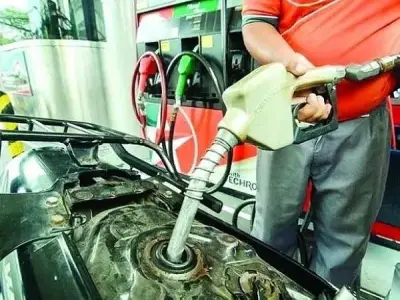
This operational turmoil is compounded by a volatile global context. The timing of the BRT launch coincides with a severe surge in fuel prices, triggered by recent military actions involving the United States and Israel in the Middle East. This economic pressure makes the project's success even more precarious, as higher fuel costs directly impact both traditional transport operators and the new BRT system's operational economics.
Strategic Concerns and Future Implications
The initial BRT route is designed to run from Il Corso at the South Road Properties to the I.T. Park in Barangay Apas, with the launched segment forming a critical part of this corridor. While the infrastructure represents a significant step toward modernizing Cebu's public transit, authorities now face the dual challenge of managing immediate traffic integration and insulating the system from external economic shocks.
Some observers have controversially suggested that a postponement might have been prudent until fuel prices stabilize, arguing that it is unfair to burden commuters and drivers with inevitable fare hikes during a crisis. The project's viability hinges not only on efficient local implementation but also on navigating these unpredictable global market forces. As Cebu City embarks on this transformative journey, the coming weeks will be critical in determining whether the BRT can alleviate the city's chronic transportation woes or become another source of frustration in an already strained system.