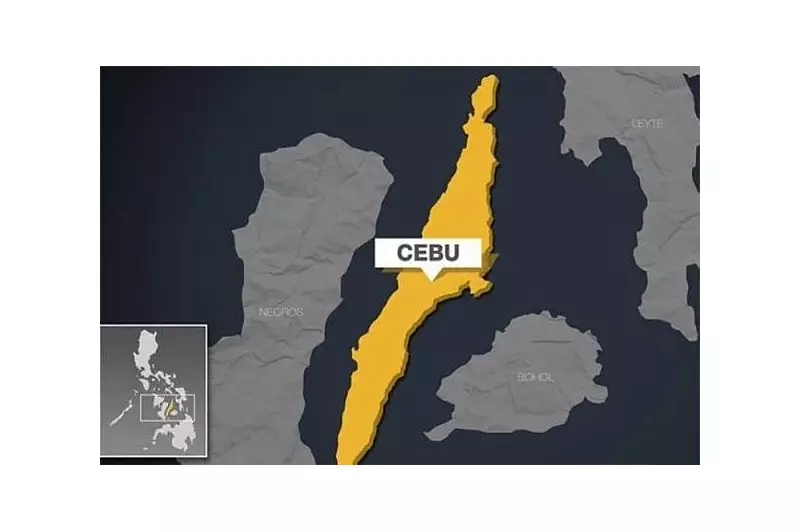
The Cebu Chamber of Commerce and Industry (CCCI) is calling for a comprehensive masterplan to overhaul the province's infrastructure systems after recent twin calamities revealed significant gaps in development planning.
Addressing Infrastructure Vulnerabilities
Following disasters that exposed Cebu's infrastructure weaknesses, the business group submitted detailed recommendations to the Central Visayas Regional Development Council-Infrastructure Development Committee on November 20, 2025. The proposal comes amid a national scandal involving ghost flood control projects, where funds intended for flood management were allegedly diverted through fraudulent schemes.
In Cebu specifically, Governor Pamela Baricuatro has publicly questioned the effectiveness of over P26 billion in flood control projects, with inspections revealing many projects to be dubious in quality and execution.

Expert-Led Infrastructure Review
The chamber is pushing for an independent audit of Cebu's existing and proposed infrastructure by a panel of foreign and local experts including engineers, architects, urban planners, environmental specialists, and economic planners.
Under the proposed framework, the expert panel would conduct a thorough assessment of all infrastructure components, identify vulnerabilities and missed opportunities, and recommend reforms based on international benchmarks from cities like Singapore, Penang, and Busan.
CCCI emphasized that the resulting blueprint would be actionable, future-proof and grounded in science, designed to protect Cebu's global competitiveness as an investment destination while ensuring climate resilience as extreme weather events become more frequent.
Governance Reforms and Success Stories
The chamber outlined specific measures to improve project execution, including:
- Opening public works to foreign contractors or joint ventures
- Requiring pre-approval of tenders by quantity surveyors and engineering firms
- Setting cost benchmarks and delivery milestones
- Mandating performance and advance-payment bonds
CCCI also encouraged the National Government to issue dedicated infrastructure bonds and extend uniform planning standards to local governments.
The business group pointed to only four major infrastructure projects completed successfully in recent decades:
- Cebu–Mactan Bridge 2 (1999 – Japanese contractor)
- Fort San Pedro Car Underpass (2009–2011 – Japanese contractor)
- Mactan Airport Terminal (2016–2018 – GMR–Megawide International Consortium)
- Cebu–Mactan 3rd Bridge (Spanish contractor)
These successes demonstrate what is possible when discipline, transparency and accountability are enforced, the chamber noted, adding that infrastructure development must be depoliticized, professionalized, and placed under rigorous technical evaluation for Cebu and the Philippines to regain competitiveness.
CCCI believes that integrating Cebu's masterplan review as a pilot for nationwide urban and regional planning reform could help unlock trillions of pesos in dormant or inefficiently used resources while boosting investor confidence through predictable, rules-based public spending.