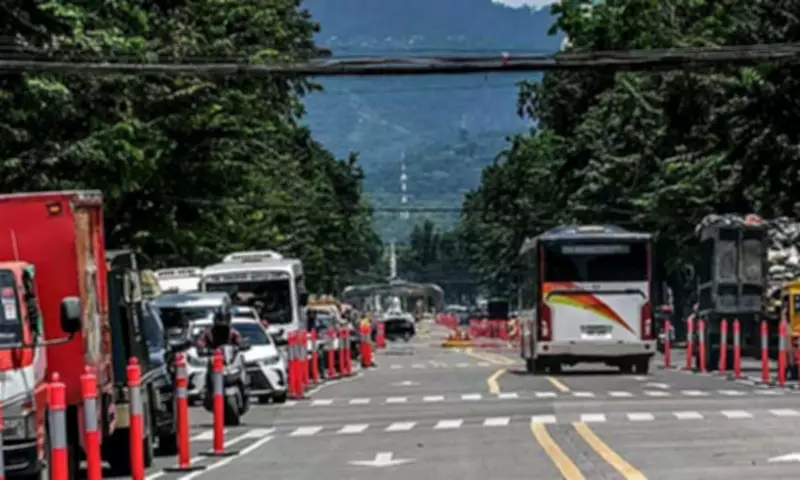
Cebu City Explores PUV Access to CBRT Lanes to Alleviate Traffic Congestion
Cebu City Mayor Nestor Archival revealed on Monday, March 16, 2026, that the city is considering significant modifications to traffic regulations along the newly implemented Cebu Bus Rapid Transit (CBRT) routes. In a proactive move to address emerging challenges, Archival indicated that public utility vehicles (PUVs) might be permitted to utilize specific segments of the CBRT lanes, provided such usage does not disrupt the seamless operation of the buses.
Early Implementation Challenges and Expected Adjustments
Archival acknowledged that traffic congestion is a common occurrence whenever new traffic arrangements or rerouting schemes are introduced. He emphasized that such situations are anticipated during the initial phases of implementation as authorities closely monitor the system's performance on the ground. The CBRT system, which remains under partial operations (Package 1) and has not yet been fully transferred to the Cebu City Government, is currently managed by the National Government's Department of Transportation (DOTr) in collaboration with local authorities.
The mayor clarified that the DOTr will have the final say on any necessary adjustments, as the City Government cannot make unilateral decisions regarding policy changes, including the potential integration of PUVs into CBRT lanes. Archival stressed that these changes are designed not to inconvenience motorists but to organize traffic flow more effectively and instill discipline among drivers concerning proper routes and designated stops.

Passenger Confusion and Operational Insights
An early challenge emerged with passenger confusion over where CBRT buses are permitted to stop, following the system's initial operations on Friday, March 13. Councilor Winston Pepito, chairman of the Committee on Transportation, noted that many commuters mistakenly believed the buses could halt anywhere along the route. He clarified that buses only stop at designated CBRT stations or marked bus stops in mixed-traffic areas, highlighting the need for improved passenger information to resolve this issue.
Some passengers expressed frustration after missing their stops, while others who rode the Cibus units from Il Corso to Cebu IT Park reported a smooth and relatively fast journey, particularly in sections with dedicated lanes. During the initial rollout along the Il Corso–IT Park route, a total of 17 buses were deployed. Pepito pointed out that commuters may not yet fully experience the efficiency of a complete BRT system because buses still operate in mixed traffic in certain sections.
Project Delays and Traffic Management Efforts
The CBRT project has faced years of delays, and although Package 1 is nearly complete, the national government is exploring alternative funding sources to finish the remaining phases after the World Bank withdrew support for later packages. Raquel Arce of the Cebu City Transportation Office (CCTO) reported moderate to heavy traffic during the rollout, with congestion observed near Fuente Osmeña Circle and along N. Bacalso Avenue.
Arce advised motorists that CBRT dedicated lanes are now being enforced along Osmeña Boulevard, from Fuente Osmeña Circle to the Cebu South Bus Terminal. She encouraged drivers to take alternative routes whenever possible to avoid inconvenience and help maintain smooth traffic flow. Additionally, the CCTO will conduct strict monitoring and enforcement along these corridors, warning that motorists who violate the dedicated lane policy will be apprehended. The CCTO also appealed for public understanding and cooperation as authorities continue efforts to enhance the city's public transportation system.