Cebu Councilor Calls for Discipline as Jeepneys Return to CBRT Lanes
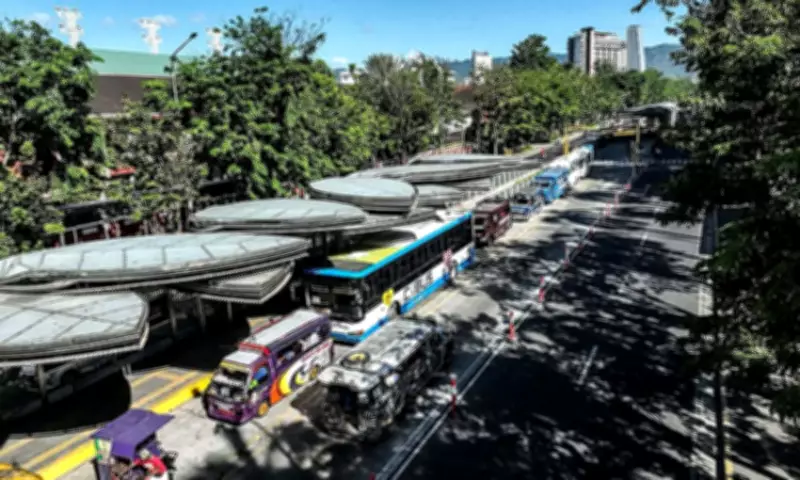
In a significant shift for Cebu's public transport landscape, modern public utility vehicles and traditional jeepneys have been permitted to resume using the lanes of the Cebu Bus Rapid Transit (CBRT) starting Thursday, March 19, 2026. This move comes nearly a week after the lanes were exclusively reserved for CBRT buses, known as Cibus. However, the transition has not been without its challenges, as highlighted by a recent photo showing a tricycle of a bread seller appearing lost in the lane, underscoring the complexities of integrating diverse transport modes.
Councilor Pepito's Warning Against Overtaking
Cebu City Councilor Winston Pepito, who chairs the City's committee on transportation, has issued a stern appeal to public utility jeepney (PUJ) drivers. He urges them to observe strict lane discipline to avoid direct competition with the CBRT system under the new shared-lane arrangement along key corridors. In an interview with SunStar Cebu's Beyond the Headlines on Friday, March 20, 2026, Pepito emphasized that PUJ drivers using portions of the CBRT lanes must refrain from overtaking other public vehicles merely to pick up passengers first.
"Hopefully, the jeepneys operating in the CBRT mixed lane will not overtake other public vehicles just to get passengers first. The concept of the CBRT is to follow in sequence," Pepito stated. He warned that such overtaking could undermine the CBRT's station-based design and potentially have adverse economic effects on Cibus operators. "This is going to compete with the CBRT, which is really meant for CIBUS. I'm not sure what the economic impact of that will be on them," he added, noting that both systems now serve overlapping routes and passenger demand.

Traffic Enforcement and Congestion Concerns
Pepito has called on traffic enforcers stationed at CBRT stops to ensure proper adherence to the station-based loading and unloading system. While the CBRT is often promoted as a solution to congestion, Pepito clarified that its primary goal is to provide a reliable and efficient public transport alternative, rather than eliminating traffic entirely. "If there's traffic, just ride the CBRT, you won't get stuck in it. That's the idea: to discourage people from using private cars," he explained.
Despite adjustments to traffic schemes, Pepito acknowledged that congestion in major areas such as N. Bacalso Avenue and Fuente Osmeña is expected to persist. He expressed concerns over long delays in the CBRT's full implementation, attributing setbacks to issues at the local government level. According to discussions with the Department of Transportation (DOTr), changes in leadership and shifting priorities within the local government have contributed significantly to these delays.
Political Will and Future Accountability
Pepito highlighted that addressing Cebu City's worsening traffic problem will require strong political will and consistent policy direction, regardless of leadership changes. He urged voters to hold public officials accountable, particularly in prioritizing traffic solutions. "For the next election, people will see which politicians are truly committed. They should demand that the traffic problem be prioritized," he asserted, emphasizing the need for sustained focus on transport infrastructure.
In summary, as Cebu navigates the integration of its public transport systems, Councilor Pepito's calls for discipline and accountability underscore the ongoing challenges in balancing efficiency, competition, and urban mobility in the city's bustling corridors.