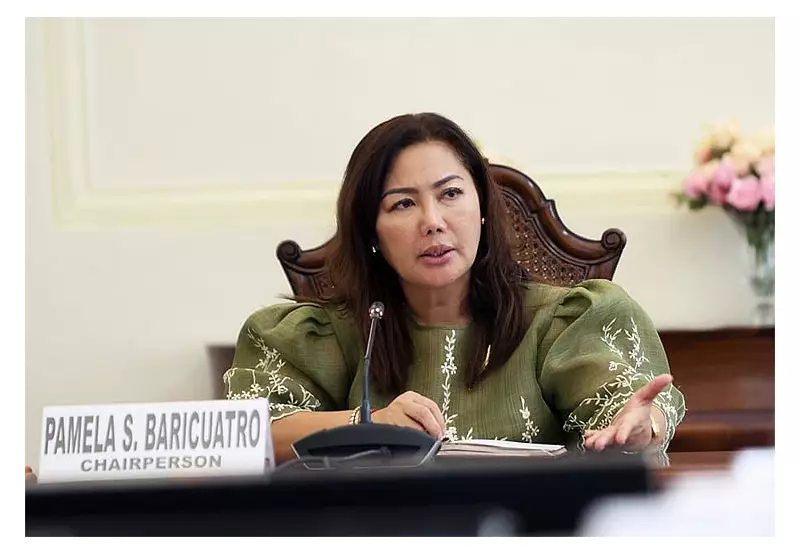
Cebu Governor Gwendolyn Garcia, serving as chairperson of the Regional Development Council (RDC) for Central Visayas, has presented the region's priority development initiatives for funding consideration in the upcoming national budget.
Key Infrastructure and Development Proposals
The governor is currently in Manila participating in the Regional/National Investment Programming (RNIP) Dialogue, a crucial forum where agency programs are reviewed for inclusion in the National Expenditure Program and the General Appropriations Act. Among the most significant proposals presented are the Metro-Cebu Expressway and the Naga-Minglanilla-Talisay Bypass roads, both aimed at decongesting metropolitan traffic.
Other critical infrastructure projects highlighted include the development of dams, enhanced drainage systems, and the Integrated Flood Control Master Plan, which are collaborative efforts of the Department of Public Works and Highways (DPWH), the Department of Agriculture (DA), and the National Irrigation Administration (NIA).

Energy, Water, and Innovation Initiatives
Beyond transportation, Governor Garcia is advocating for several transformative projects. These include the establishment of an innovation hub in Balamban City, Waste-to-Energy projects in the cities of Naga and Danao, and bulk water supply projects in Tabuelan and Tuburan to address water security.
The dialogue involves key national agencies such as the Department of Trade and Industry (DTI), Department of Energy (DOE), and Department of Health (DOH), ensuring a multi-sectoral approach to regional development.
Focus on Disaster Resilience and Education
In response to recent natural calamities, Governor Garcia is also seeking accelerated support for the rehabilitation of schools damaged by earthquakes and typhoons. This is considered critical for ensuring the uninterrupted education of students. The Cebu Provincial Government has consistently pushed for the implementation of projects that follow safer and more resilient standards, aligning with its commitment to building a disaster-ready province.