Cebu City Opens CBRT Lanes to Traditional and Modern Jeepneys Amid Testing Phase
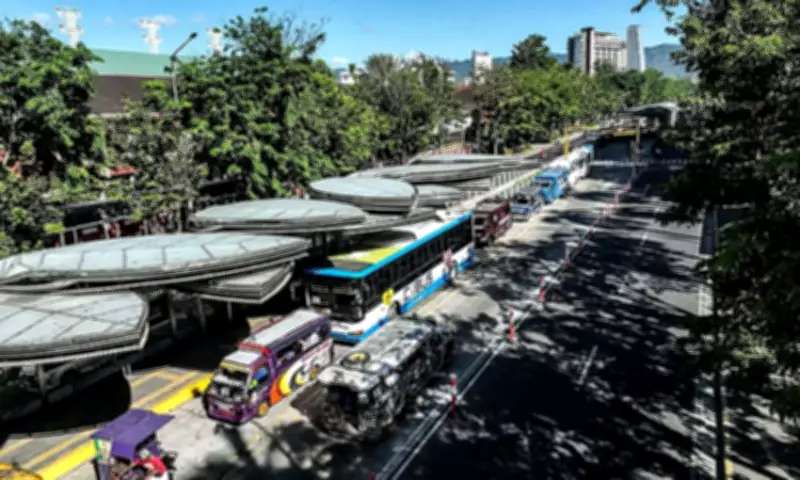
In a significant adjustment to public transportation operations, Cebu City Mayor Nestor Archival has announced that modern public utility vehicles (MPUVs) and traditional public utility jeepneys (PUJs) are now permitted to use portions of the Cebu Bus Rapid Transit (CBRT) lanes. This decision, effective from Thursday, March 19, 2026, comes nearly a week after the lanes were exclusively reserved for CBRT buses, known as Cibus. The move aims to address critical issues of limited bus availability and extended waiting times for commuters during the system's ongoing testing phase.
Addressing Limited Bus Operations and Passenger Delays
Mayor Archival defended the policy shift in an interview, emphasizing that the CBRT system remains in a testing phase with only 17 buses currently operational. This limited fleet has resulted in passengers facing long intervals between trips, with waiting times ranging from 10 minutes to an hour. The mayor highlighted that drivers had raised concerns about the underutilization of dedicated lanes when few buses occupy them, a factor that influenced the decision to allow other PUVs access.
Archival explained that leaving these lanes underused could exacerbate traffic congestion and increase fuel consumption as vehicles idle on the road. The 2.38-kilometer Package 1 of the CBRT, which runs from outside the Cebu South Bus Terminal on N. Bacalso Avenue to Osmeña Boulevard, began initial operations on March 13. However, the full route is planned to cover a 13-kilometer loop from Il Corso in the South Road Properties to Cebu IT Park in Barangay Apas.

Interim Solution and Coordination with Transportation Authorities
The mayor discussed the matter with the Department of Transportation (DOTr), which agreed that allowing other PUVs to use the lanes serves as a practical interim solution while the system remains incomplete. Under the current setup, MPUVs and PUJs are directed to use inner lanes, including portions of the CBRT corridor. Authorities are enforcing stricter rules, requiring drivers to load and unload passengers only at designated stations to instill discipline among commuters accustomed to boarding and disembarking anywhere.
Archival noted that this adjustment trains passengers to use proper stations, which could reduce traffic congestion over time. He acknowledged that the CBRT cannot yet be considered a true "rapid" transit system due to the limited number of buses affecting travel efficiency. A fully operational system requires sufficient buses and completed infrastructure to ensure shorter waiting times, with the completion of packages 2, 3, and 4 necessary to increase bus frequency.
Strict Compliance and Enforcement Measures
Cebu City Transportation Office (CCTO) head Raquel Arce emphasized that taxis, tricycles, and private vehicles cannot use CBRT lanes to avoid conflict with mass public transport operations. She reminded drivers to comply with the new lane assignments, warning that violators face apprehension. PUJs can no longer use the outermost lane and must follow the revised traffic scheme during the transition period.
The shared-lane policy covers the stretch from N. Bacalso Avenue to Osmeña Boulevard, where CBRT stations are located. MPUVs and PUJs must operate like buses within this segment, stopping only at designated stations. Beyond these areas, they resume normal operations along mixed traffic lanes.
Long-Term Goals and Public Patience
Mayor Archival urged the public to remain patient as the system undergoes adjustments, stating that the long-term goal of the CBRT is to establish a more organized, efficient, and disciplined public transportation system in Cebu City. This temporary measure aims to balance immediate commuter needs with the broader vision of improving urban mobility.