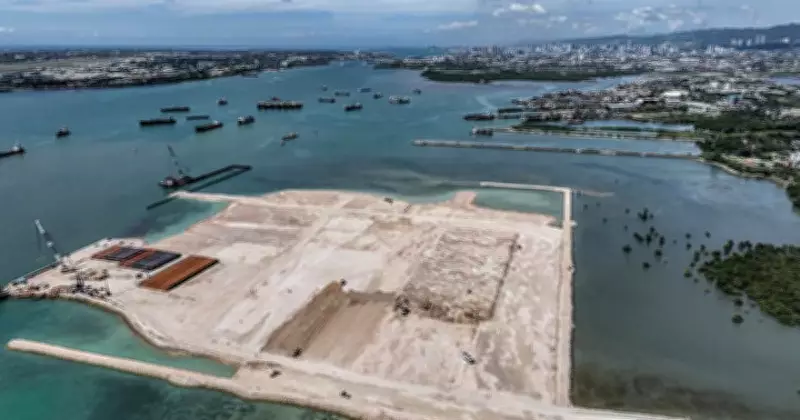
Cebu Port Reclamation Alters Fishermen's Lives in Tayud, Consolacion
The coastal community of Sitio Bagacay in Barangay Tayud, Consolacion is witnessing a profound transformation as a major infrastructure project reshapes its relationship with the sea. For 75-year-old Bernardo Judaya and his 72-year-old wife Rosita, life has always been intimately tied to the ocean, but recent developments are forcing a significant shift in their traditional way of life.
From Abundant Catches to Declining Fisheries
Bernardo, a lifelong fisherman, recalls a time when fish were plentiful just a few meters from the shore. "Sa una, duol ra mi mangisda, daghan na dayon mi makuha," he reminisced, highlighting how proximity to rich fishing grounds once ensured a steady livelihood. Over the years, however, the expansion of shipyards and shipping businesses along the coastline has led to a noticeable decline in fish populations. The destruction of mangroves, which previously protected the shore and served as vital breeding grounds for marine life, has exacerbated this ecological impact.
The New Cebu International Container Port Project
Now, the community faces another monumental change with the construction of the New Cebu International Container Port in Tayud. This ambitious 25-hectare reclamation project, valued at P16.93 billion, officially broke ground on February 5, 2025. Authorities anticipate that upon its completion in 2028, the port will significantly decongest cargo operations at the existing Cebu Base Port in Cebu City, enhancing regional trade efficiency and economic growth.

Mixed Emotions and Economic Shifts
For Bernardo, this progress evokes complex emotions. While he welcomes the potential economic benefits and the increased tax revenues that businesses will contribute to the government, he also mourns the loss of the sea that has sustained his family for generations. With fewer fish available near the shore, local fishermen like him are compelled to venture farther into the ocean to maintain their catches, increasing both risk and operational costs.
Adapting Livelihoods in a Changing Environment
In response to these challenges, some fishermen have adapted by finding alternative sources of income. Utilizing their small boats, they now ferry workers from nearby shipyards and businesses across the water, offering a quicker route to avoid traffic for a fare of P50 per passenger. This shift illustrates how the sea, once primarily a source of sustenance, is increasingly serving as a conduit for human transportation rather than marine harvest.
Despite these changes, the sea remains central to Bernardo and Rosita's story. The tides of livelihood and transformation continue to shape their daily existence, reflecting broader themes of adaptation and resilience in the face of infrastructural advancement. As the reclamation project progresses, the community of Sitio Bagacay navigates the delicate balance between economic development and environmental preservation, with its residents at the heart of this evolving narrative.