Cebu Transport Strike: Piston Demands Fare Hike and Tax Removal Amid City's Contradiction
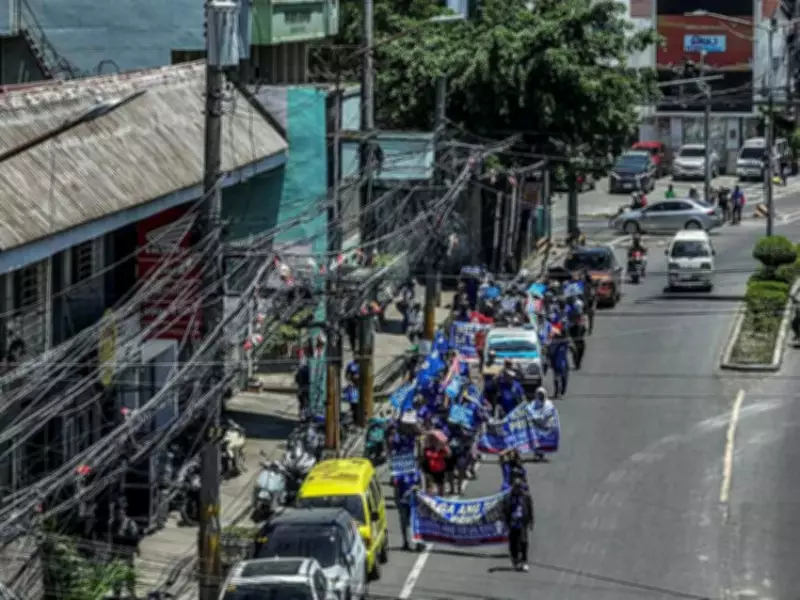
Members of Piston Cebu organized a significant march from MJ Cuenco Avenue to Osmeña Boulevard on March 19, 2026, actively participating in a nationwide transport strike. The primary demands of the protest included a P5 fare increase for public transportation and the complete removal of excise tax and VAT on oil products. This action was part of a broader movement opposing fuel-related taxes and advocating for a rollback in fuel prices across the Philippines.
Conflicting Reports on Strike Impact
The Cebu City Transportation Office (CCTO) firmly pushed back against claims made by the transport group Pagkakaisa ng mga Samahan ng Tsuper at Operator Nationwide (Piston) Cebu. Piston had asserted that the strike effectively paralyzed public transportation throughout the city, citing specific data to support their claims.
In a detailed phone interview, CCTO Deputy Chief lawyer Kent Francesco Jongoy stated there was "no massive disruption" in daily operations. This statement directly contradicted the figures released by Piston Cebu, which indicated disruptions reaching as high as 90 percent on certain key routes.

Detailed Route Disruptions Reported by Piston
Piston Cebu provided comprehensive data highlighting the extent of the strike's impact on various transportation routes across Cebu City. According to their reports:
- The Tamiya–MEPZ 1 route experienced the most severe disruption, with operations affected by approximately 90 percent.
- Other major routes, including Mabolo-Ayala, Lahug–Ayala, and Manalili–Cathedral, posted disruption rates of around 85 percent.
- Additional routes such as Talamban–Carbon and Pit-os–Colon reportedly saw disruptions of 75 percent.
City's Preparedness and Modern Jeepney Operations
Jongoy emphasized that the city had proactively anticipated the potential impact of the strike. He cited a crucial agreement reached on Wednesday, March 18, between Mayor Nestor Archival and the Federation of Cebu Transport Cooperatives. This agreement was designed to ensure the continued operations of modern jeepneys throughout the strike period.
Jongoy highlighted that modern jeepneys constitute the majority of Cebu City's public transport fleet, while Piston Cebu primarily represents traditional jeepney operators, accounting for a smaller share of the overall transportation network.
CCTO Data Contradicts Strike Claims
According to monitoring data from the CCTO's Eagles Eye system at the Colon Street–Osmeña Boulevard intersection, public transportation operations actually exceeded those of the previous day. Jongoy reported that as of 2 p.m. on March 19, operational units increased from 372 to 410.
Further data from key locations such as Gorordo Avenue and General Maxilom Avenue, where Lahug routes pass through, indicated that the numbers of public transportation vehicles surpassed the average from Wednesday. Jongoy remarked, "They said '85 percent' paralyzed. And yet we exceeded every hour than that of yesterday."
Additionally, there was no significant decrease in public transport figures along Pope John Paul II Avenue and F. Cabahug Street, where intercity routes traverse from Mandaue City.
High Deployment Rates and Contingency Measures
Operators and cooperatives of modern jeepneys reported an impressive more than 90 percent deployment of their fleets, with the remaining units undergoing routine maintenance and repairs. To further mitigate any potential issues, the City Government placed buses and other vehicles on standby, ready to assist any stranded passengers if the need arose.
The strike underscores the ongoing tensions between transport groups advocating for economic relief through fare increases and tax removals, and city officials maintaining that public transportation services remain largely unaffected and well-managed.