DOLE Confirms Standard Wage Rules for EDSA 40th Anniversary Special Working Day
The Department of Labor and Employment (DOLE) has issued a clear directive regarding compensation for employees working on Wednesday, February 25, 2026. This date, designated as a Special Working Day nationwide to commemorate the 40th Anniversary of the Edsa People Power Revolution, will not entail any extra holiday pay for workers on duty.
Labor Advisory Details Wage Payment Guidelines
According to Labor Advisory 1-2026, released by DOLE, February 25 will be treated as an ordinary working day for wage calculation purposes. The advisory specifies that employers must pay employees 100 percent of their daily wage for the first eight hours of work performed on that day. For any overtime work, an additional 25 percent of the hourly rate will apply, consistent with standard overtime regulations.
DOLE emphasized in its statement, "It shall be considered as an ordinary working day for the purpose of payment of wages and wage-related benefits." This clarification aims to prevent confusion among employers and employees regarding compensation expectations for the commemorative day.

No Work, No Pay Principle Applies Unless Otherwise Stipulated
The labor advisory also reinforces the "no work, no pay" principle for employees who do not work on February 25. However, this rule may be overridden by favorable company policies, established practices, or collective bargaining agreements (CBAs) that grant payment for special working days. Employers are encouraged to review their internal agreements to ensure compliance and fairness.
This provision allows for flexibility, recognizing that some organizations might offer more generous terms than the minimum legal requirements, depending on their employment contracts or labor union agreements.
Background on the EDSA Revolution Anniversary Declaration
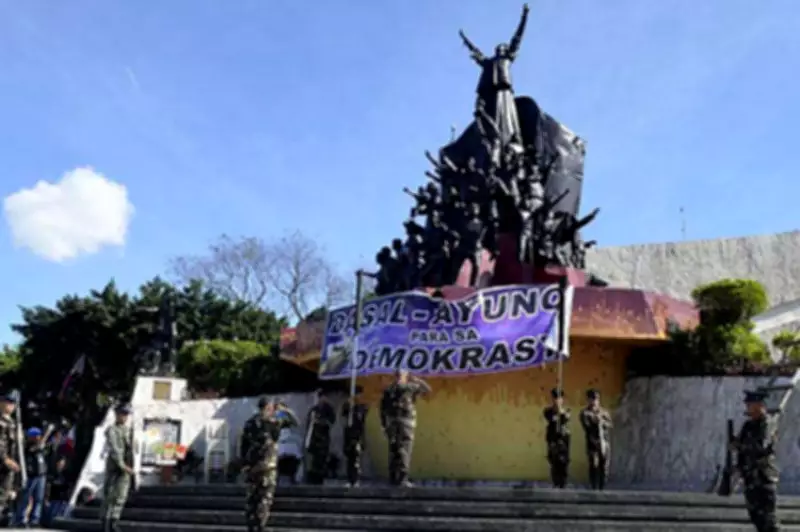
The designation of February 25 as a Special Working Day stems from Proclamation 1006-2025, which was issued to honor the 40th Anniversary of the Edsa People Power Revolution. This historic event in 1986 led to significant political, social, and economic reforms in the Philippines, culminating in the ouster of the late dictator Ferdinand Marcos Sr.
By declaring it a Special Working Day rather than a regular holiday, the government aims to balance commemorative activities with economic productivity, ensuring that businesses can operate normally while still acknowledging the day's historical importance.
The DOLE's advisory serves as a timely reminder for both employers and employees to plan accordingly, avoiding any potential disputes over wages and work schedules during this period of national reflection and celebration.