Palace to Study 4-Day Work Week Proposal Amid Middle East Tensions
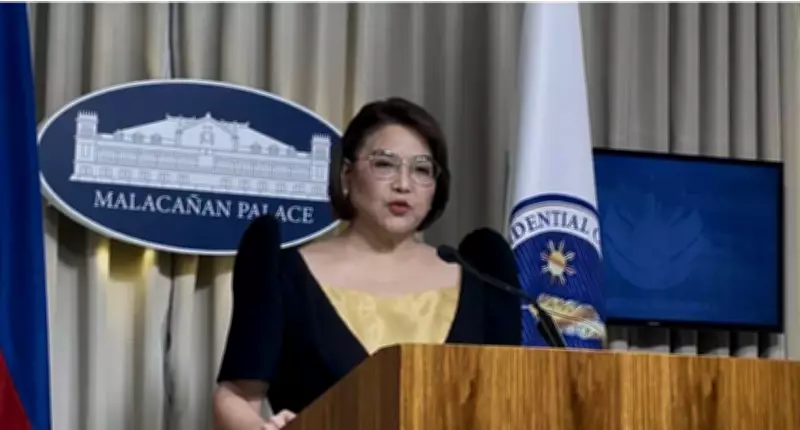
Malacañang has announced its openness to examining a proposed 4-day work week as part of energy-saving initiatives, in response to the escalating tensions between Iran and Israel that could impact the Philippines. According to Palace Press Officer Claire Castro, the government may consider this measure if the situation in the Middle East worsens further.
No Formal Discussions Yet
Castro clarified that, as of now, there have been no formal discussions regarding the 4-day work week proposal. However, she emphasized that the government is prepared to evaluate it as a potential strategy to mitigate economic disruptions. This approach echoes past practices during the COVID-19 pandemic, when a 4-day work week and work-from-home arrangements were implemented in some government offices to adapt to crisis conditions.
Government Directives on Energy Conservation
President Ferdinand Marcos Jr. recently issued a directive to all government agencies and the public to enforce energy-saving measures. This move aims to preemptively address potential shortages and price hikes driven by global uncertainties. The directive underscores the administration's proactive stance in safeguarding the nation's economic stability amid external pressures.

Calls for Flexible Work Arrangements
Paranaque Representative Brian Raymund Yamsuan has advocated for the temporary implementation of work-from-home setups and online classes to alleviate the effects of a possible sharp increase in oil prices due to the Middle East conflict. Yamsuan urged both the government and private sector to plan for flexible work arrangements, while schools should prepare for a shift to online classes if the crisis persists.
He highlighted that the transportation sector would be the first to feel the impact, potentially burdening the public already struggling with high commodity prices. This warning comes as global crude oil prices surged to $82.57 per barrel, fueled by fears that Iran might close the Strait of Hormuz, a critical passage for a significant portion of the world's oil supply.
Potential Price Increases and Energy Warnings
Based on alerts from the Department of Energy, oil prices in the Philippines could rise by up to P10 per liter if the Middle East tensions escalate. This projection has intensified calls for immediate action to cushion the economic blow. The proposed 4-day work week is seen as a viable option to reduce energy consumption and commuting costs, thereby helping households and businesses cope with potential financial strain.
As the situation develops, stakeholders are closely monitoring global events, with the government poised to adapt its policies to ensure resilience and continuity in the face of uncertainty.