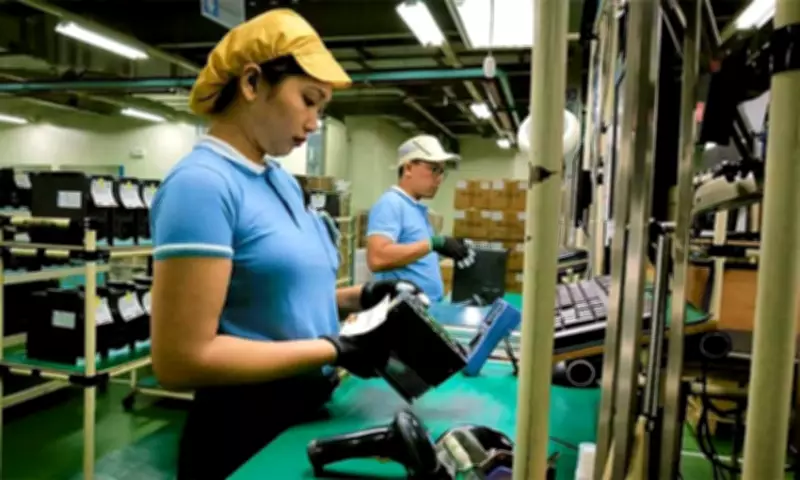
The Subic Bay Freeport Zone has achieved a significant milestone in employment, with the total workforce reaching 171,653 in 2025. This represents a robust 4.4 percent increase from the 164,400 workers recorded in 2024, as reported by the Subic Bay Metropolitan Authority (SBMA). The growth underscores the dynamic economic activity within the Freeport, which now hosts 4,744 companies actively hiring to meet operational demands.
Sectoral Breakdown of Employment
According to data from the SBMA Labor Department, the services sector continues to dominate as the largest employer, accounting for 67.32 percent of total employment. This sector includes a wide range of industries such as tourism, logistics, and business process outsourcing, reflecting the diverse economic base of the Freeport.
Manufacturing follows as the second-largest employer, comprising 21.67 percent of the workforce. The construction sector holds 7.36 percent, while shipbuilding and marine-related services make up 3.64 percent. In terms of company distribution, the services sector leads with 4,129 firms, followed by construction with 356 companies, shipbuilding and marine-related services with 148, and manufacturing with 111 firms.

Geographic Sources of Workers
Olongapo City remains the primary source of labor for the Subic Bay Freeport Zone, with 70,769 residents employed within the area. This highlights the strong local integration and economic benefits for nearby communities.
Other significant contributors include Zambales with 31,621 workers, Bataan with 22,897, the National Capital Region with 7,077, Pampanga with 5,492, and Tarlac with 2,199. Additionally, 31,598 workers originate from other regions, including foreign nationals, showcasing the Freeport's appeal as a global employment hub.
Gender Distribution in the Workforce
The overall workforce composition shows a predominance of male workers, with 121,187 males (70.60%) compared to 50,466 females (29.40%). However, an interesting trend emerges in the manufacturing sector, where female workers slightly outnumber males, with 18,951 females versus 18,242 males across 111 firms. This indicates sector-specific variations in gender employment patterns.
Implications for Economic Development
The SBMA has emphasized that this employment growth aligns with broader efforts to expand job opportunities for Filipinos. The steady increase in worker numbers reflects the Freeport's role as a key driver of regional economic development, attracting investments and fostering sustainable employment across multiple sectors.
As the Subic Bay Freeport Zone continues to evolve, these statistics provide valuable insights into labor market trends, sectoral strengths, and the geographic reach of its economic impact. The data underscores the importance of strategic planning to maintain this positive trajectory and support inclusive growth for all stakeholders involved.