Davao City's Real Estate Boom Faces Major Test from Proposed 300-800% Property Value Hikes
For years, Davao City has positioned itself as a secure sanctuary in the Philippines, where crime concerns often dictate property investment choices. Early-2026 data from Numbeo reveals the city with a Crime Index of 28.6 and a Safety Index of approximately 71.4, scores that place it among the safer urban centers in Southeast Asia and set it apart from other Philippine cities.
This strong safety reputation has driven real estate demand for decades. However, industry leaders now caution that the market is confronting a significant challenge: proposed revisions to official property values that could escalate assessments by 300 percent, 500 percent, and, in some estimates, nearly 800 percent.
If implemented without modifications, experts warn these increases could erode competitiveness, discourage investors, and make property ownership unattainable for many residents.

Sudden Jumps Versus Steady Growth
Developers distinguish sharply between normal appreciation and what they term sudden appreciation, which involves large valuation spikes that quickly lead to higher taxes.
Oscar D. Tabjie, president of the Chamber of Real Estate and Builders' Associations, emphasized in a media interview, "We organized this forum to hear from our members about the sudden appreciation of market values. We support appreciation, but not sudden hikes of 300 to 800 percent. We seek realistic values that maintain market competitiveness."
Safety as an Economic Asset
Developers attribute the city's appeal to its peace-and-order record, attracting buyers including foreigners permitted to own condominium units.
Tabjie noted, "Our strongest asset is peace and order. Maintaining safety draws foreigners, but affordability and sustainability are crucial." Safety has proven more than a slogan, with local media and development reports showing steady occupancy in midrange residential projects in Davao, contrasting with oversupplied condominium markets in Metro Manila.
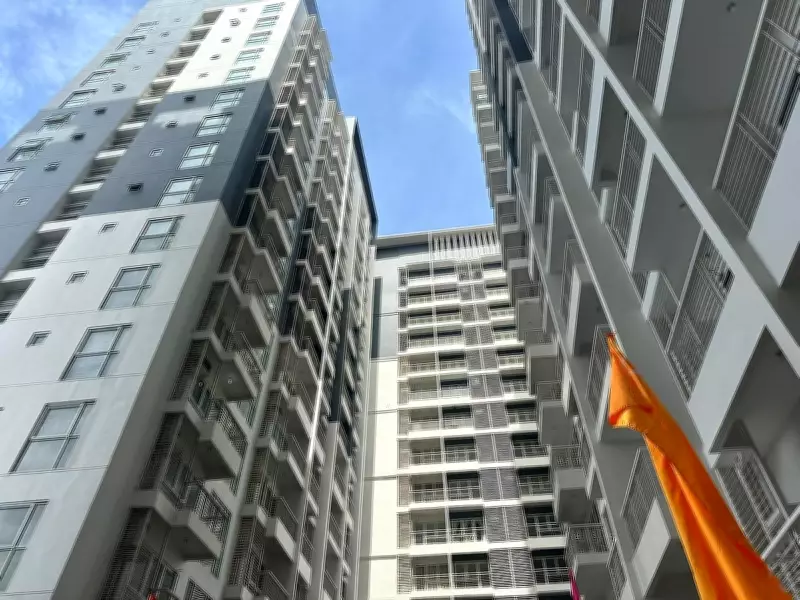
Developers continue launching mixed-use sites, offices, and housing complexes, highlighting security and quality of life as key selling points. Retirees, professionals, and investors still find the city attractive, yet average condominium prices have surpassed six figures per square meter in prime districts like Lanang and Bajada, while single-detached home values rise unevenly.
Analysts observe that price growth is beginning to slow compared to national hotspots. They caution that if demand weakens or prices outpace incomes, proposed valuation hikes could exceed market absorption capacity.
Policy Scrutiny and Taxpayer Pressure
While Tabjie focuses on competitiveness and investor confidence, Councilor Danilo C. Dayanghirang, chair of the city finance committee, centers on taxpayers' capacity and social impact.
Dayanghirang has urged assessors to slow the process and expand public consultation, criticizing the limited reach of current efforts. He stated, "Residents struggle with existing taxes like VAT and Ebat. A formula from Manila is sent for local adoption without considering local income levels. We must ensure it balances with public ability to pay."
Financial Strain and Real-World Impacts
Dayanghirang warned that sharp assessment increases could severely impact households. "We risk forcing people to sell properties to afford necessities," he said, describing a middle class squeezed by rising costs and stagnant wages.
Residents and business leaders highlight mounting pressures from utility rates to daily expenses. Dayanghirang added that property, traditionally a family safety net, could become a financial burden if ownership costs escalate too rapidly.
Shared Goal, Different Priorities
Despite differing focuses—market competitiveness for Tabjie and taxpayer protection for Dayanghirang—both agree on the need for sustainable and transparent growth in Davao's property sector.
Tabjie expressed optimism, citing continued sales and investor interest, while Dayanghirang supports valuation updates but calls for broader consultation and joint recommendations from stakeholders to reflect local economic realities.

Sustainability Over Shock
The future of Davao City as a real estate hub depends on balancing its safety advantage with valuation adjustments that align with market conditions and residents' financial capacity.
If managed with transparency, broad consultation, and gradual increases, the city can continue attracting buyers and investors who value long-term stability. Conversely, if adjustments are perceived as sudden or unfair, the very attributes that made Davao attractive—safety, predictability, and affordability—could be compromised.
Ultimately, this debate transcends technical numbers; it centers on whether Davao can preserve its identity as a safe, investible, and people-centered city in the competitive Philippine real estate landscape. This, more than any index or tax calculation, may define its true success.